

- Soccer
Die 10 besten Fußballmannschaften der Welt
Fußball begeistert Milliarden von Fans weltweit. Doch welche Teams haben die größte globale Fangemeinde? Nach der Analyse von Social-Media-Kennzahlen, Finanzbewertunge...
When FIFA announced the 2026 World Cup ticket prices, the reaction from fans was immediate and unambiguous. “Holy shit” was one of the more printable responses. Someone else did the math for a family of four and landed at $25,000.
So how much are World Cup 2026 tickets? The honest answer: group stage seats start at $118, but the Final at MetLife Stadium runs $7,875 for a premium seat — before fees. And that’s face value. Resale is a different story.
Here’s a clear breakdown of what tickets cost, what’s still available right now, and how to find the best deal.

FIFA uses four ticket categories for 2026, ranked by height in the stadium. Category 1 is the full lower bowl. Categories 3 and 4 are upper-tier seats.
|
Match Stage |
Cheapest Seat |
Category 1 (Lower Bowl) |
|
Group Stage (neutral match) |
$118–$120 |
up to $620 |
|
Round of 32 |
$105 |
up to $800 |
|
Round of 16 |
$170 |
up to $980 |
|
Quarterfinals |
$275 |
up to $1,775 |
|
Semifinals |
$930 |
up to $3,295 |
|
Final (MetLife Stadium) |
$1,490 |
$7,875 |
All prices are face value from FIFA.com. Add a 15% service fee at checkout on every order.

For the first time in World Cup history, FIFA used dynamic pricing — prices shift based on demand for each individual game, similar to how airlines and hotels work.
The biggest factor is which teams are playing and where. A group stage match between two lower-ranked nations in Kansas City might cost $118. The USA’s opening game in Los Angeles starts at $560 and runs $2,735 for a Category 1 seat.
City matters too. Kansas City, Boston, and Vancouver have the lowest base prices in the tournament. Los Angeles, New York/New Jersey, and Miami carry the highest premiums. If you’re flexible about which game you attend, the savings can be 60–70% on the same category seat.
You may have seen headlines about $60 World Cup tickets. They’re real, but there’s a catch: they’re not in the public sale.
After widespread fan backlash in late 2025, FIFA introduced a Supporter Entry Tier — $60 flat for every match, including the Final. These tickets are distributed through national football associations only. They make up 10% of each federation’s ticket allocation, which is itself a small share of total inventory.
For the Final, that works out to roughly 450 seats at $60 out of more than 82,000 total. To access them, you need to apply through your country’s federation and meet their eligibility criteria — typically based on fan loyalty history or past purchases.
The good news: this is the best window left to buy, and tickets are still there.
FIFA’s Last-Minute Sales Phase opened April 1, 2026 and runs through July 19. Unlike the lottery phases, this one is first-come, first-served — no draw, no waiting. You can log into FIFA.com, browse an interactive seat map, and pick your exact seat.
The FIFA Resale Marketplace also opened April 2, where fans who can no longer attend can list their seats. FIFA charges up to 15% to both the buyer and seller on every resale transaction. Some Final tickets are already listed above $25,000 on the platform.
Avoid third-party sites. FIFA can cancel tickets purchased through unauthorized resellers with no refund and no recourse.
The ticket price is just the starting point.
Hotels in host cities jumped over 300% after the December tournament draw. Parking at some venues tops $300 per game. Concessions at major US stadiums average $15 for a hot dog and $16 for a beer.
One fan who attended eight matches — including the Final — at the 1994 World Cup estimates the same trip today, done comfortably, would cost at least $25,000. For most people, two or three games will run $3,000–$8,000 once flights, lodging, and daily costs are factored in.
That doesn’t mean it isn’t worth it. The World Cup hasn’t been on US soil since 1994. But go in with a realistic number.

A few approaches that actually work:
The World Cup tends to ignite soccer everywhere — youth leagues fill up, rec leagues get competitive, coaches start thinking harder about what they can learn from game footage.
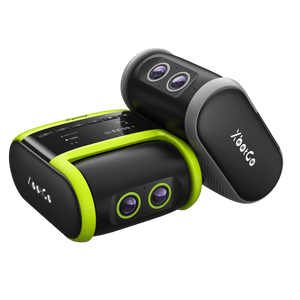
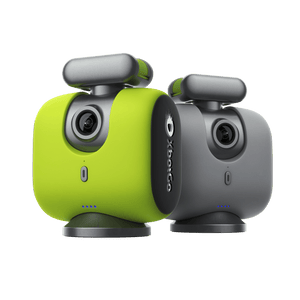
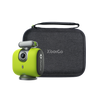
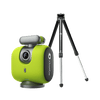
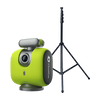
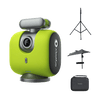
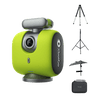
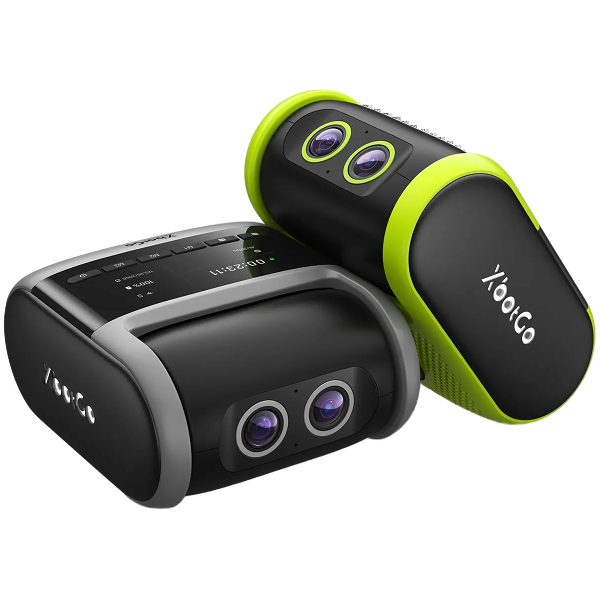
If you’re filming games at a local level and want consistent footage without a dedicated operator, the XbotGo Falcon might be worth a look. It’s a standalone 4K AI camera that auto-tracks the action on your field — no phone attachment needed, no one manning the camera. Set it on the sideline, press record, and it follows the play. A lot of youth club coaches and rec league teams use it during the season to get reliable game film without needing a dedicated videographer at every match.

World Cup 2026 tickets range from $118 for a group stage upper-deck seat to $7,875 for the Final at MetLife Stadium — before the 15% service fee. The Last-Minute Sales Phase opened April 1 and is first-come, first-served at FIFA.com. The $60 Supporter Entry Tier is real but limited and requires going through your national federation. Once you add travel, hotels, parking, and daily expenses, the realistic total for attending even a few games runs well into the thousands. For fans who can make it work, a World Cup on home soil is a once-in-a-generation chance. For everyone else, your local pitch is calling.