

XbotGo Falcon

Die 11 besten Handball-Kameras für Trainer und Vereine (2026)
Der präzise Pass oder das überraschende Tor machen den Reiz jedes Handballsspiels aus. In dem Moment, in dem Sie solche Szenen mit der Kamera verpassen, sind sie für immer weg.
Handball ist rasant und voller Action – und genau das sollte auch die verwendete Kamera widerspiegeln: Sie muss flüssig mitziehen, Bilder klar aufzeichnen und die rasanten Spielzüge einfangen, die man im Bruchteil einer Sekunde verpassen kann.
In diesem Blog haben wir die besten Handball-Kameras sorgfältig ausgewählt. Jedes der nachfolgend aufgeführten Modelle bietet der Handball-Community nützliche Funktionen – von KI-gestützten Autotracking-Kameras über fest installierte Vereinssysteme bis hin zu leistungsstarken spiegellosen Kameras.
Für das Jahr 2026 haben wir diesen Leitfaden um genau jene Systeme erweitert, die von Handballtrainern und -vereinen am häufigsten genannt werden, darunter die Panorama- und Hallen-Installationsplattformen, die den europäischen Handball dominieren. Tauchen wir nun in die besten Handball-Kameras auf dem Markt ein.

Was Handball wirklich von einer Kamera verlangt
Handball ist kein Fußball auf einem kleineren Feld – die Herausforderungen beim Filmen sind grundlegend anders. Bevor wir Modelle vergleichen, ist es hilfreich, die vier wesentlichen Einschränkungen zu kennen, auf die jede Handball-Kamera stößt:
Ein 40 x 20 m großes Hallenspielfeld: Ein Handballfeld ist kompakt genug, dass eine gut platzierte Kamera es komplett abdecken kann, aber der Ball überwindet die gesamte Länge in Sekundenschnelle. Ein System, das zu langsam schwenkt, filmt beim Gegenstoß nur den leeren Hallenboden.
Hallenbeleuchtung: Der Großteil des Vereinshandballs findet unter gemischter Neon- oder LED-Beleuchtung statt, die weitaus dunkler ist als Tageslicht. Dies ist der häufigste Grund für enttäuschendes Videomaterial und der Hauptgrund, warum Sensorqualität und Low-Light-Eigenschaften in der Halle wichtiger sind als bei Outdoor-Sportarten.
Im Weg stehende Personen: Die Zuschauer beim Handball sitzen dicht an der Seitenlinie. Wer auf Bodenhöhe filmt, verbringt das Spiel damit, auf die Rücken der Auswechselspieler zu schauen – eine ausreichende Montagehöhe ist daher kein nettes Extra, sondern ein Muss.
Wer bedient das Gerät eigentlich? Ein Elternteil möchte das Spiel genießen, anstatt es zu filmen. Ein Trainer will taktische Breite sehen, um das Aufstellungsspiel an der 6-Meter- und 9-Meter-Linie zu beurteilen. Ein Verein möchte, dass jedes Spiel einheitlich gefilmt wird, ohne jedes Wochenende mühsam einen freiwilligen Kameramann suchen zu müssen. Diese unterschiedlichen Ansprüche führen zu verschiedenen Produkten – deshalb ist die folgende Liste danach gruppiert und nicht als einfache Rangliste aufgebaut.

Wenn Sie sehen möchten, wie die Tracking-Logik speziell auf das Hallenspiel abgestimmt ist, finden Sie auf der Handball-Kameraseite von XbotGo detaillierte Erklärungen zur Spielfeldwahrnehmung (Court Awareness), Pose Estimation und zur Glättung von Gegenstößen für das 40 x 20 m große Spielfeld.
Die besten Handball-Kameras auf einen Blick
| Kamera | Typ | Bedienung erforderlich? | Ideal für |
|---|---|---|---|
| XbotGo Falcon | Autonome KI-Autotracking-Kamera | Nein | Trainer und Vereine, die eine Kamera für die automatische Aufzeichnung ohne Betreuung suchen |
| XbotGo Chameleon | Smartphone-gestützte KI-Halterung | Nein | Eltern und Teams, die bereits ein aktuelles Flaggschiff-Smartphone besitzen |
| Veo Cam 3 | Panorama-KI, tragbar | Nein | Vereine, die einen weit verbreiteten Panorama-Workflow wünschen |
| Pixellot Air NXT | Panorama-KI, tragbar | Nein | Vereine und Schulen, die automatisierte Highlights wünschen |
| PIX4TEAM 2 | Roboter-Halterung für eigene Kamera | Nein | Alle, die bereits einen Camcorder oder ein geeignetes Smartphone besitzen |
| Spiideo | Fest installierte Mehrkamera-Lösung für die Arena | Nein | Arenen, Ligen und Verbände |
| Hudl Focus | Fest installierte KI-Kamera für Sporthallen | Nein | Programs already running on the Hudl platform |
| Fujifilm X-H2S | Spiegellose Kamera | Ja | Programme, die bereits auf der Hudl-Plattform laufen |
| Panasonic Lumix DC-G9 | Spiegellose Kamera | Ja | Scharfe Fotos und Zeitlupen von der Seitenlinie |
| Sony a6000 | Spiegellose Kamera | Ja | Einsteiger mit kleinerem Budget |
| Insta360 X5 | 360-Grad-Action-Kamera | Teilweise | Nachträgliches Anpassen des Ausschnitts für verpasste Szenen |
Automatische KI-Handball-Kameras zum Mitnehmen
These are the systems you buy once, put on a tripod at the sideline, and leave alone. For most handball parents, coaches, and small clubs, the right answer is somewhere in this group.
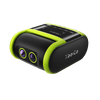
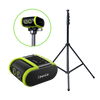
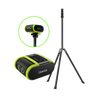
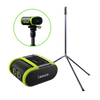
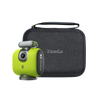
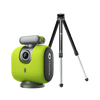
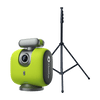
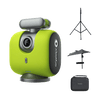
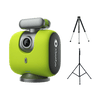
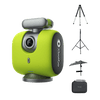
1. XbotGo Falcon — Die beste Handball-Kamera insgesamt

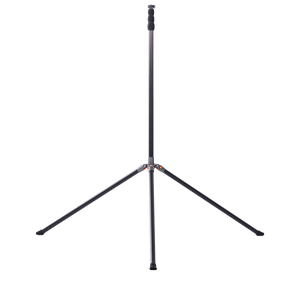
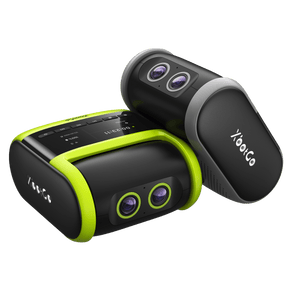
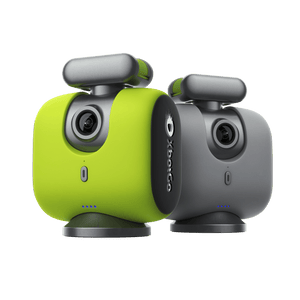
Die Falcon ist die All-in-One-4K-KI-Sportkamera von XbotGo und die erste Wahl für Handball, da sie sowohl den Kameramann als auch das Smartphone überflüssig macht: Einschalten, Sportmodus auswählen, und die Kamera filmt.
Das Tracking ist speziell auf das Hallenspiel abgestimmt. XbotGo beschreibt die Handball-Logik als eine Spielfeldwahrnehmung, die auf das 40 x 20 m große Feld optimiert ist. Sie hält die Kamera auf das Geschehen an der 9-Meter-Linie statt auf das Publikum gerichtet und nutzt eine Posenerkennung, die Bewegungsmuster wie den Sprungwurf erfasst. Ihr Dual-Kamerasystem erfasst das gesamte Spielfeld und die Spieler gleichzeitig, zeichnet natives 4K mit 30 fps ohne Beschnitt oder 1080p mit 60 fps für Zeitlupen auf. Der Akku hält rund 240 Minuten, und der Handball Club de Leon wird als einer der Nutzer von XbotGo aufgeführt.
Vorteile
- Völlig eigenständig – kein Smartphone wird für 60 Minuten auf einem Stativ gebunden
- Tracking speziell für das 40 x 20 m große Hallenspielfeld und die 9-Meter-Linie optimiert
- Natives 4K bei 30 fps sowie 1080p bei 60 fps für Zeitlupenanalysen
- Kostenloses Live-Streaming und KI-Highlight-Bearbeitung, keine Abonnementgebühren für Kernfunktionen
Nachteile:
- Eine MicroSD-Karte ist erforderlich, liegt aber nicht im Lieferumfang bei
- Die KI-Analyse ist ein kommendes, kostenpflichtiges Add-on und zum Start noch nicht verfügbar
Den XbotGo Falcon ansehen
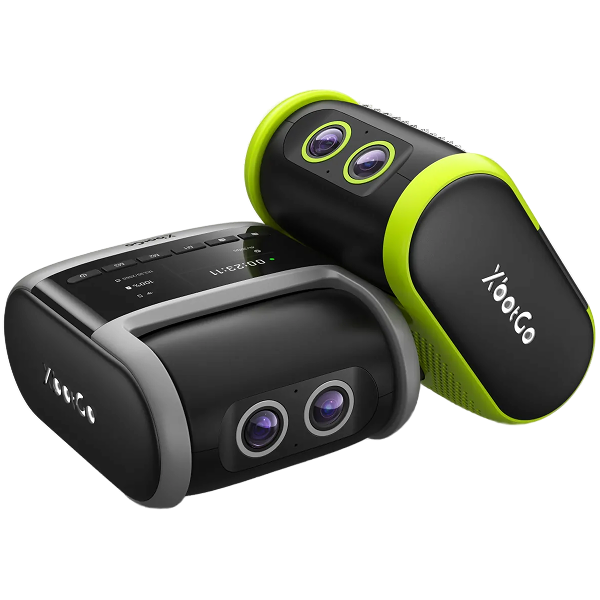
2. XbotGo Chameleon — Am besten, wenn Sie bereits ein Flaggschiff-Smartphone besitzen

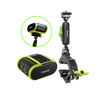
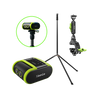
Wenn Sie rasante Handball-Action ohne ein ganzes Kamerateam festhalten möchten und bereits ein aktuelles iPhone oder Samsung besitzen, ist das Chameleon der kostengünstigere Einstieg. Es verwandelt Ihr Smartphone in eine KI-gesteuerte Sportkamera: Das Smartphone liefert das Objektiv und die Aufnahme, während das Chameleon den KI-Prozessor und die motorisierte Rotation beisteuert, die das Spiel im Bild hält.
Aufstellen und das Spiel verfolgen lassen: Das ScoreSync-Live-Spielstand-Overlay blendet den aktuellen Spielstand direkt ins Video ein. Eine Akkulaufzeit von 8 Stunden deckt einen kompletten Spieltag oder mehrere Trainingseinheiten ab, während kostenloses Live-Streaming und 20 GB Cloud-Speicher das Teilen von Highlights erleichtern. Zwei Punkte sollten Sie beachten: Die Videoqualität hängt von Ihrem Smartphone ab, und 4K-Aufnahmen stehen nur in Mannschaftssport-Modi zur Verfügung.
Vorteile
- Intelligente KI, die dem Spielverlauf automatisch folgt
- Integriertes Spielstand-Overlay über ScoreSync
- Lange Akkulaufzeit von 8 Stunden für komplette Spieltage
- Kostenloses Live-Streaming und Cloud-Speicher von bis zu 20 GB
Nachteile
- Setzt ein kompatibles Flaggschiff-Smartphone voraus, das die Bildqualität bestimmt
- Gutes Licht ist für erstklassiges Videomaterial erforderlich
Den XbotGo Chameleon ansehen
3. Veo Cam 3 — Das Panoramasystem, das die meisten Vereine kennen

Veo ist der Name, der am häufigsten fällt, wenn sich Trainer online austauschen. Veo vermarktet Handball direkt und führt es unter den unterstützten Sportarten der Cam 3 auf. Das System funktioniert anders als eine Schwenk-Neige-Kamera: Es zeichnt während der gesamten Session einen festen 180-Grad-Blickwinkel des Spielfelds auf und nutzt dann KI, um eine virtuelle Kamera innerhalb dieser Aufnahme zu bewegen. Dadurch verpasst die „Kamera“ physisch niemals einen Gegenstoß, da alles gleichzeitig aufgezeichnet wurde.
Veo gibt eine Akkulaufzeit von bis zu 6,5 Stunden an, das Gewicht der Kamera liegt bei rund 1.250 g. Live-Streaming wird unterstützt. Der Haken ist das Modell: Veo wird als Kombination aus Kamera und einem fortlaufenden Abonnement der Plattform verkauft. Die Kosten laufen also so lange weiter, wie Sie das System nutzen, und der Panorama-Ansatz verteilt die Auflösung auf das gesamte Spielfeld, anstatt sie auf den Ball zu konzentrieren.
Vorteile
- Zeichnet den gesamten 180-Grad-Spielfeldbereich auf, sodass physisch nichts verloren geht
- Handball wird offiziell unterstützt
- Lange Akkulaufzeit und Live-Streaming
Nachteile
- Erfordert ein fortlaufendes Abonnement der Veo-Plattform
- Die Panorama-Aufnahme verteilt die Details auf das gesamte Spielfeld
4. Pixellot Air NXT Kamera

Wenn Sie ein vollautomatisiertes Filmsystem suchen, ist die Pixellot Air NXT eine starke Option. Diese speziell für den Sport entwickelte KI-Kamera verfolgt das Geschehen, lädt Daten hoch und veröffentlicht Inhalte ohne Kameramann – was viele Vereine schätzen.
Es handelt sich um ein tragbares System, das auf einem Stativ montiert wird, sodass Sie ein Spiel über das gesamte Spielfeld mit minimalem Vorbereitungsaufwand aufnehmen können. Das herausragende Merkmal ist das automatische Tracking und die Erstellung von Highlights im laufenden Betrieb, sodass niemand dem Ball folgen oder stundenlang lange Aufnahmen zuschneiden muss. Das System eignet sich gut für Sportvereine, Schulen und Teams, die Videos in Fernsehqualität ohne die Kosten eines großen Kamerateams suchen.
Vorteile
- Kein Kameramann erforderlich, vollautomatisch
- Automatische Verfolgung und Erstellung von Highlights in Echtzeit
- Einfaches Hochladen, Teilen und Speichern von Aufnahmen
- Hervorragend geeignet für die Berichterstattung im Vereins- und Schulsport
Nachteile
- Für den Zugriff auf alle Funktionen ist ein Abonnement erforderlich
- Auf die Erfassung des gesamten Spielfelds ausgelegt, weniger flexibel für Nahaufnahmen
5. PIX4TEAM 2 KI-Auto-Follow-Kamera

Die PIX4TEAM 2 löst ein anderes Problem: Statt Ihnen eine Kamera zu verkaufen, verkauft sie Ihnen den Roboter, der die Kamera ausrichtet, die Sie bereits besitzen. Wie im obigen Bild zu sehen ist, trägt das Gerät sowohl einen Camcorder als auch ein Smartphone problemlos und schwenkt mechanisch mit dem Spielverlauf mit.
Platzieren Sie das System auf einem Stativ oder montieren Sie es sicher, und es übernimmt die Bildausschnitts-Steuerung in Echtzeit. Es funktioniert sowohl drinnen als auch draußen, womit sowohl Trainingseinheiten als auch Pflichtspiele abgedeckt werden, und es unterstützt mehrere Sportarten. Sie können live streamen oder aufzeichnen und später analysieren, zudem ist der gleichzeitige Betrieb mehrerer Einheiten möglich.
Vorteile:
- Vollständiges KI-Autotracking mit robotergesteuerter Ausrichtung
- Funktioniert gut für Hallen- und Outdoor-Handballspiele
- Sie können weiterhin Ihre eigene Kamera oder Ihr Smartphone verwenden
- Bietet die Option zum Livestreaming oder Aufnehmen
- Unterstützung für mehrere Kameras
Nachteile:
- Einige Premium-Funktionen erfordern ein separates Abonnement
- Erfordert eine sorgfältige und fachgerechte Montage für einen reibungslosen Betrieb

Fest installierte Handball-Kamerasysteme für Hallen und Arenen
Dies sind keine Produkte, die man in einer Tasche transportiert. Sie werden fest in der Halle montiert und filmen dort alles, was passiert. Wenn Ihr Verein eine eigene Halle besitzt oder teilt und jedes Spiel sowie jedes Training aufgezeichnet haben möchte, ohne dass jemand eine Kamera anfassen muss, ist dies die richtige Kategorie.
6. Spiideo — Ideal für Arenen, Ligen und Verbände
Spiideo ist die am stärksten auf Handball ausgerichtete Plattform auf dieser Liste. Sie installiert 4K-Kameras dauerhaft in der Arena und nutzt die AutoFollow-Technologie, um Panoramaaufnahmen und automatisierte Videos für Spiele und Trainingseinheiten zu erstellen. Das bedeutet, dass Aufnahmen stets verfügbar sind, anstatt dass jemand an die Inbetriebnahme denken muss.
Speziell für den Handball bietet Spiideo zudem AutoData an – eine Statistik-Ebene, die direkt aus dem Videomaterial generiert wird. Als Nutzer wird unter anderem Elverum Handball genannt. Auch auf Verbandsebene ist das System vertreten: Der isländische Handballverband ist ein dokumentierter Fall bei Spiideo, und Spiideo-Kameras wurden bei den Celtic Cup Finals 2026 getestet. Live-Streaming ist in die Plattform integriert.
Der Haken ist offensichtlich: Es handelt sich um eine Halleninstallation mit Plattform-Abonnement und nicht um einen Spontankauf für das kommende Wochenende. Preis und Auslegung richten sich an Organisationen und nicht an einzelne Elternteile.
Vorteile
- Permanent installierte 4K-Kameras mit AutoFollow-Panoramaaufnahme
- Automatische AutoData-Handballstatistiken direkt aus dem Videomaterial
- Bewährt auf Verbandsebene, u. a. beim isländischen Handballverband
- Aufnahmen stehen für Spiele und Training jederzeit zur Verfügung
Nachteile
- Erfordert eine dauerhafte Installation in der Arena
- Plattform-Abonnementmodell, das auf Organisationen ausgelegt ist
7. Hudl Focus — Am besten, wenn Ihr Programm bereits auf Hudl läuft
Hudl Focus ist eine fest in der Halle montierte KI-Kamera, die das Spiel automatisch verfolgt und HD-Videos sowie Live-Streaming aus einem festen Blickwinkel liefert. Sie ist in verschiedenen Varianten erhältlich, darunter Focus Indoor und Focus Flex, wobei die Hallenmodelle genau auf Sporthallen zugeschnitten sind, in denen Handball gespielt wird.
Das stärkste Argument für Focus ist nicht die Kamera für sich genommen, sondern das Ökosystem. Wenn Ihre Trainer bereits Videos analysieren, Clips taggen und Highlights innerhalb von Hudl teilen, fügt sich Hudl Focus nahtlos in einen bekannten Workflow ein, ohne dass man eine zweite Plattform erlernen muss. Wenn Ihr Verein Hudl nicht nutzt, verringert sich dieser Vorteil erheblich, und die feste Installation ist schwerer zu rechtfertigen.
Vorteile
- Speziell für die Montage in Turn- und Sporthallen entworfene Indoor-Modelle
- KI-Autotracking und integriertes Live-Streaming
- Videomaterial landet direkt im Analyse-Workflow von Hudl
Nachteile
- Fest montiert, filmt daher nur einen Veranstaltungsort
- Der Nutzen hängt stark von der bereits vorhandenen Nutzung der Hudl-Plattform ab
Manuelle Kameras für Handballfotografie und Highlights
Automatische Systeme sind darauf ausgelegt, das gesamte Spiel aufzuzeichnen. Wenn Sie jedoch ein perfektes Foto eines Wurfes aus dem Sprung oder Zeitlupendetails einer Parade des Torwarts suchen, brauchen Sie eine Kamera mit einer Person dahinter.
8. Fujifilm X-H2S Digitalkamera

Die Fujifilm X-H2S macht keine Kompromisse bei Geschwindigkeit, Klarheit oder Leistung. Als spiegellose Kamera für High-Speed-Action ist sie eine starke Lösung für Handballtrainer und Sport-Content-Creator.
Sie kann mit bis zu 40 Bildern pro Sekunde (fps) aufnehmen, sodass Sie keinen Sprung, Block oder Sprint über das Spielfeld verpassen. Die integrierte Bildstabilisierung hält das Bildmaterial auch bei intensiven Sequenzen sauber. Der schnelle Autofokus verfolgt Spieler flüssig, und 6.2K-Video oder High-Speed-Full-HD ermöglichen es, rasante Momente in Zeitlupe wiederzugeben. Die Kamera ist robust und wettergeschützt für den erweiterten Innen- und Außeneinsatz gebaut.
Pros
- Records quick movement at up to 40fps
- Ultra-high-resolution 6.2K video plus slow motion
- Excellent autofocus for tracking players
- Built for durability with weather sealing
Cons
- A higher price point, so casual users may not find the value
- The body is on the heavy side for a casual shooter
9. Panasonic Lumix DC-G9 Camera

The Panasonic Lumix DC-G9 is one of the best handball cameras if you want well-detailed pictures with no blur. Designed with sports and wildlife photography in mind, it is swift, sharp, and stable, which suits the constant movement of handball.
Its 20.3 MP sensor, fast autofocus, and image stabilization capture speedy action precisely. Burst shooting is particularly good at 60fps in RAW mode, ideal for pulling stills out of fast plays, and it shoots clean, professional-quality 4K. The G9 is relatively small for a mirrorless body with straightforward controls, so you can operate it without being especially technical. It finds a middle ground between power and ease of use that most coaches and sports content creators appreciate.
Pros
- Quick autofocus and a 60fps burst mode
- Clear 4K recording with bright detail
- Motion blur is reduced by dual image stabilization
- Lightweight and easy to handle
Cons
- Short battery life on lengthy recordings
- No built-in AI tracking, unlike the automatic systems above
10. Sony a6000 E-mount Hybrid Camera

If you are looking for a decent camera that will not break the bank, the Sony a6000 remains a classic several years after launch. It has a strong reputation for fast autofocus and it is compact, so it can take sharp, action-filled shots — which is what earns it a place in covering sports like handball.
It offers 11fps continuous shooting and a 24.3-megapixel APS-C sensor that handles movement well, particularly in good light. It also records Full HD video, which is fine for team analysis, social clips, or training videos. It is a lightweight option that people enjoy using, which makes it a great choice for beginners or anyone who wants quality results without the fuss. It may not offer the AI features found in newer cameras, but it gets the fundamentals right, and sometimes that is all that matters.
Pros
- Affordable and readily available
- Solid 11fps continuous shooting
- Good image quality with good autofocus
- A great entry option for recording sports
Cons
- No 4K video
- Fewer features: no AI tracking, no in-body stabilization

The DIY Option: Capture Everything, Decide Later
11. Insta360 X5 — Best for Reframing After the Game
The Insta360 X5 is the option that keeps coming up in coaching and filming communities when someone does not want to buy a dedicated sports system. It is a 360 action camera, so it does not track anything during the match — it simply records the entire sphere at up to 8K30fps and lets you choose your framing afterwards in the app.
For a 40 x 20 m handball court that is a genuinely useful property: mount it once near the halfway line, and every angle exists in the file. Battery life is rated at 208 minutes and the camera is waterproof to 15 m, so durability in a gym bag is not a concern. The cost is your time — reframing a full match into usable clips is editing work that an auto-tracking camera would have done for you.
Pros
- Records everything in 360, so no angle is ever lost
- Up to 8K30fps capture with post-match reframing
- Long 208-minute battery life and rugged waterproof build
- Doubles as a general-purpose action camera
Cons
- No live auto-tracking — every clip needs manual reframing
- Editing time adds up quickly across a season
Handball Cameras People Ask About That Are Not on This List
A few names come up regularly in coaching forums and comparison searches. They are worth knowing about, and worth knowing why they are not a handball recommendation here.
- Trace — a well-regarded automated system, but it is built around outdoor soccer, which makes it a poor fit for an indoor handball court.
- BallerCam — designed around indoor basketball courts. The venue type is right, but the sport logic is not tuned for handball.
- Antelope Camera Systems — genuinely used in professional handball broadcast, including high-speed setups, but this is arena broadcast infrastructure rather than something a club buys.
- Zone14 and TeamTV Sport — both appear in automated-camera comparisons, and both are worth a look if you want more portable panoramic options to evaluate.
- DJI Osmo Pocket 3 — frequently recommended for general sports filming. It is excellent for handheld and sideline work, but its subject tracking is built for people in front of a creator, not for a team sport played across a full court.

How to Set Up a Handball Camera in the Gym
The camera matters less than where you put it. Four things make the difference between usable film and a season of wasted recordings.
Get high. Mount as high as the hall allows, ideally on a tall tripod at the sideline near the halfway line. From floor level you film the backs of substitutes; from height you see the defensive rotation and the wing spacing, which is the footage a coach actually uses.
Film from the side, not the end. An end-line angle flattens the court and hides the 6 m and 9 m line structure. The halfway sideline position is the standard for a reason.
Respect the lighting. Indoor halls are darker than they look. If your footage is noisy, the fix is usually a higher-quality sensor or a wider aperture, not a higher resolution setting.
Check storage and power before the whistle. Cameras that record to microSD need a card installed and formatted in advance, and a battery that comfortably covers warm-up plus two halves plus stoppages. Handball matches are shorter than soccer, but tournament days are not.
FAQs About Cameras for Handball
Do I need a special camera for handball?
Not necessarily. However, fast autofocus, stabilization, and motion handling abilities of a camera will make a world of difference in the footage. What is closer to essential for indoor handball is decent low-light performance and an elevated mounting position.
What type of camera lens is best for handball sports?
Target a zoom lens of 24-70mm, or a 70-200mm. This will give you flexibility and allow you to have close-ups without being in the middle of the action.
Can one camera cover a whole 40 x 20 m handball court?
Yes. A handball court is small enough that a single well-placed camera can cover it, which is why one-camera systems work here better than they do for full-size soccer. There are two approaches: panoramic systems such as Veo and Pixellot capture the whole area at once and crop in afterwards, while pan-tilt systems such as the XbotGo Falcon physically follow the play. Both work; panoramic guarantees nothing is missed, pan-tilt concentrates resolution on where the action actually is.
Do handball cameras work in dark sports halls?
Indoor lighting is the main variable in handball footage quality. Every camera on this list will produce a usable recording in a normally lit hall, but image quality drops as the hall gets darker. If your venue is dim, prioritize sensor quality and check sample footage from a similar hall before committing.
Where should I mount the camera on a handball court?
At the sideline, level with the halfway line, mounted as high as the venue allows. That angle keeps both goals and the full defensive line in frame and avoids filming through spectators and substitutes.
Do AI handball cameras require a subscription?
It depends on the system, and it is worth checking before you buy because it changes the total cost significantly. Platform-based systems such as Veo, Pixellot, and Spiideo are built around an ongoing subscription. XbotGo cameras are a one-time purchase, with core recording, tracking, and live streaming included without a subscription — the AI Analysis layer is a separately announced upcoming add-on.
Can I livestream handball games?
Sure, most of the cameras mentioned above can either be used to livestream or work with streaming software such as Restream or OBS, making it easy to livestream on YouTube, Facebook, or Twitch. If you want the simplest route, the XbotGo Falcon streams to YouTube, Facebook, and RTMP in one tap with no streaming fees. For a rundown of where handball is broadcast officially, see our guide to the best handball streaming services.
Which is the best handball camera for a beginner on a budget?
The classic Sony a6000 is a powerful option. It's affordable, easy to use, and still provides nice quality video and photos. If you would rather not operate a camera at all and already own a recent flagship phone, the Chameleon is the cheaper route into automatic tracking.
What are the disadvantages of mirrorless handball cameras?
They're light and can be faster, but mirrorless cameras struggle with battery life, and sometimes they overheat if recording for a longer period. They also need someone holding them for the full 60 minutes, which is the reason automatic systems exist.
Wrap-up
The best handball camera depends on what matters most to you: automation, video quality, ongoing cost, or portability. Each of the cameras we've covered has its pros and cons, from hands-free automatic tracking to exceptional slow-motion playback.
If your club owns its hall and wants everything filmed forever, look at Spiideo or Hudl Focus. If you want a camera you can carry to away games and tournaments and still never touch during a game, the XbotGo Falcon is the strongest all-around pick for handball, with the Chameleon as the lower-commitment option if you already own a flagship phone. And if you want frameable stills of jump shots rather than full-match film, one of the mirrorless bodies will serve you better than any automatic system.
Whether you're coaching the game, livestreaming, or putting together highlights, there is a quality option in this guide for every setup and budget. Looking to level up your handball content? Grab your camera and start shooting like a pro.
Want to compare auto-tracking systems across other sports too? Start with our guide to the best AI auto-tracking cameras for sports.