

XbotGo Falcon

How to Start an AAU Basketball Team: A Step-by-Step Guide
Starting an AAU basketball team sounds straightforward. Get some players, find a gym, show up to tournaments. In practice, it is a small business with a narrow margin for error. Teams that fall apart in year one almost always do so for the same reasons: they started too late, underestimated costs, or skipped the paperwork. This guide covers every step from registration to your first game.

What AAU Basketball Actually Is (and What It Isn’t)
“AAU basketball” is widely used as shorthand for competitive travel basketball, but most teams using that label aren’t registered with the Amateur Athletic Union at all. The AAU is a sanctioning body — it certifies clubs, enforces eligibility rules, and runs its own tournament network across 56 districts nationwide.
Registering officially gives you access to AAU events, accident insurance, and the showcase tournaments where college coaches scout. If recruiting exposure is a goal for your players, the AAU structure is the clearest path there. If it isn’t, a regional travel league may serve you just as well at lower cost.
Step 1 — Define Your Program Before You Register Anything
Before you spend a dollar, answer one question: developmental or competitive?
Developmental programs prioritize skill-building, equal playing time, and younger age groups. Competitive programs are built around showcase tournaments, top-tier talent, and college recruiting. Both are legitimate — but they require different budgets, different tournament schedules, and different coaching depth.
Start with one age group. Coaches who try to field multiple teams in year one consistently end up in the red and burned out. Build your systems first, then expand after year two.

Step 2 — Register Your Club with the AAU
Registration is at aausports.org. The AAU fiscal year runs September 1 through August 31, so registering in late summer aligns you with the main spring season. Three club levels to choose from:
- Level 1 ($30/year): Participate in AAU events and access practice insurance
- Level 2 ($60/year): Level 1 benefits plus the ability to host sanctioned tournaments
- Level 3 ($300/year): Adds 501(c)(3) nonprofit eligibility — useful if you want sponsor donations to be tax-deductible
Most new programs start at Level 1. Beyond the club registration, each player needs an individual AAU membership (~$20–22/year), and each coach needs a non-athlete membership (~$55–57/year). That non-athlete membership includes a mandatory background check through the AAU’s screening partner covering the national criminal registry, sex offender registry, and a seven-county criminal check. The AAU was the first national youth sport organization to require background screening, launching it in 2012. It is not optional, and it should not be treated as a formality.
Step 3 — Build Your Budget Before You Do Anything Else
Starting a single 12-player team typically costs between $1,500 and $8,000 in year one, depending on uniform quality, tournament volume, and whether coaches are paid. The main line items:
- Uniforms: $14–$200 per player (two colors required — one light, one dark)
- Tournament entry: $100–$700 per event; budget for 4–8 events
- Gym rental: $30–$50 per hour
- Individual AAU memberships: ~$20–22 per player, $55–57 per coach
- Equipment (balls, cones, first aid kit): $200–$400
When you divide costs among families, divide by slightly fewer players than your actual roster. Twelve players? Divide by ten. The buffer covers families who fall behind on payments. Always collect money at least one month before any deadline — never hold the bill yourself.
Step 4 — Lock Down a Practice Facility
No gym, no team. School gymnasiums, recreation centers, YMCAs, and Boys and Girls Clubs are the most common options. All of them require proof of insurance before you can use the space. Your AAU membership covers accident insurance during events; a separate liability certificate adds practice coverage for about $35.
Aim for two sessions per week at 90 minutes minimum. If cost is tight, splitting court time with another travel team cuts per-team rental costs significantly and is a common arrangement among new programs.

Step 5 — Recruit Players (and Their Families)![]()
Word of mouth is the most effective early recruiting channel. If you have any connection to local rec leagues or school coaches, start with personal outreach. One approach that works well: attend school basketball games during the season, identify the players you want, and approach them after the season ends — before they commit to other programs.
For open tryouts, charge a small registration fee ($5–$20) to offset gym costs and filter out families who aren’t serious.
One thing most guides skip: evaluate the parents as much as the players. Difficult parents damage team culture, create friction with coaches, and push other families out. You are assessing the entire household’s attitude toward competition, communication, and commitment — not just the kid’s jumper.
Step 6 — Staff Your Program
You cannot run a travel team alone. At minimum, you need two people on the bench at every game. An assistant handles warmups, scorers’ table check-in, and rotations while you coach.
A team parent coordinator who manages schedule updates, gym locations, and parent questions will save you hours every week. As the program grows, a designated treasurer keeps finances transparent and prevents the kind of conflict that breaks programs apart.
Keep the head coach and program director roles separate. The person managing logistics and money shouldn’t also be the one making substitution calls. These two roles pull in opposite directions, and burning one person out costs you both.

Step 7 — Schedule Your Tournaments
The main AAU season runs March through July. Lock in your schedule before the season opens so families can plan travel and you can calculate the full cost upfront. Exposureevents.com is the standard directory for finding and registering for tournaments nationwide.
For new programs, look for Division 2 or Division 3 brackets. Getting blown out by 40 points in every game destroys player morale and makes retention nearly impossible. One critical detail: some tournaments are grade-based, others are age-based. A player held back a year may be ineligible in an age-based format even if they’re in the right grade. Confirm eligibility rules for every event before you commit.
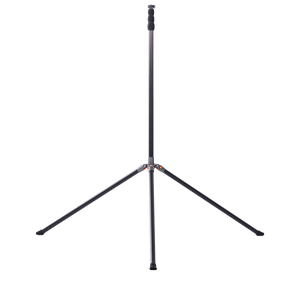
Once you start playing games, film them. Coaches use footage to correct mistakes between tournaments, and for high school players, every game is a potential recruiting clip. The XbotGo Falcon is a standalone 4K AI camera that tracks players automatically without a dedicated camera operator — set it up, run the game, and walk away with clean footage for film review and recruitment reels. For a travel program that can’t afford extra staff, that kind of hands-free recording makes a real difference.

First-Year Mistakes to Avoid
Starting too late. Most players commit to programs by February. If you are still recruiting in January, you are getting players everyone else passed on. Start planning in November.
Fundraising after tryouts. Secure at least half your budget before tryouts begin. Families commit based on the cost you tell them upfront. Changing the price after they’ve agreed to join destroys trust you won’t get back.
Skipping insurance. Budget $35 for the extended liability certificate before your first practice. Facilities will ask for it. You do not want to be turned away on day one.
Over-expanding too fast. One team, one age group, year one. Add a second team after you have 85% parent satisfaction and a full second-year roster ready.
Year one will probably break even at best. Coaches who have been through it say the same thing: don’t expect to profit your first season. You are building a reputation, a roster, and the systems that make year two worth doing. Get that foundation right, and the rest follows.