

XbotGo Falcon

Los 12 números más famosos en el voleibol: historia, datos y más
#1 — La marca del capitán
#2 — El Opuesto y el Vicecapitán
#3 — El todoterreno confiable
#4 — El número del "As"
El iraní Saeid Marouf lució el #4 como capitán de su selección. Fue nombrado Mejor Colocador en la Liga Mundial de 2014 y muchos lo consideran el mejor de su era en esa posición.
Nota: En algunos países de Asia Oriental, los equipos evitan el #4 porque su pronunciación suena igual que la palabra "muerte" en chino y japonés. Por eso, es normal ver plantillas que pasan directamente del #3 al #5.
#7 — El dorsal de Giba

Si has seguido el voleibol profesional por un tiempo, sabrás perfectamente por qué jugadores de todo el mundo siguen eligiendo el #7. Gilberto Godoy Filho, más conocido como Giba, lo lució durante toda su carrera con la selección brasileña. Su palmarés es impresionante: tres títulos del Campeonato Mundial (2002, 2006, 2010), ocho victorias en la Liga Mundial y el oro olímpico en Atenas 2004, donde además fue nombrado MVP. En total, defendió la camiseta de Brasil en 319 partidos internacionales.
Muchos aficionados que crecieron viéndolo jugar eligieron el #7 como tributo y no lo han soltado desde entonces. Pero esta tradición viene de más atrás: la atacante soviética Inna Ryskal también vistió el #7 al ganar dos oros olímpicos consecutivos en 1968 y 1972, inspirando a toda una generación en Europa décadas antes de la llegada de Giba.
#9 — El estándar del voleibol masculino
Si buscas a los mejores jugadores del mundo, verás que muchísimos usan el #9. Nikola Grbic ganó el oro olímpico en Sídney 2000 con este número; hoy es uno de los mejores colocadores de la historia y el entrenador de Polonia. Earvin Ngapeth, de Francia, es famoso por ser uno de los atacantes más creativos. Wilfredo León, que para muchos es el mejor del mundo hoy, también usa el #9 en Italia con el Perugia. E incluso Ivan Zaytsev, apodado "lo Zar", lo llevó con la selección italiana.
El #9 es el número más usado por los mejores jugadores del mundo. No hay un solo motivo, pero ahora todos lo asocian con ser un atacante brillante al máximo nivel.
#10 — La realeza del voleibol femenino

En el voleibol femenino actual, ningún número tiene tanto peso como el #10. Jordan Larson lo usó cuando Estados Unidos ganó su primer oro olímpico en Tokio 2020. En ese torneo, fue elegida la mejor atacante y la jugadora más valiosa (MVP). Más tarde, el equipo LOVB Nebraska retiró su número 10 como homenaje a su gran carrera. Además, Gabriela “Gabi” Guimaraes, la estrella brasileña y una de las mejores del mundo, también lleva el #10 con su selección.
En el voleibol universitario (NCAA), el #10 es el número favorito de las atacantes externas (lo usa el 6,35 %). También es el número más común en todo el voleibol femenino internacional. Si eres atacante y el #10 está libre, esa es la señal para elegirlo.
#11 — El número de los fans
Robyn Ah Mow, una de las jugadoras más talentosas de Estados Unidos, usó el #11 durante su carrera. Este número conectó con los fans de una manera muy especial. Una seguidora del voleibol comentó una vez que ella siempre buscaba quién llevaba el #11 en cada equipo, simplemente porque era el número que ella misma elegía cuando jugaba.
Ese tipo de cariño es lo que define al #11. No está amarrado a una posición fija ni a una tradición específica. Es el número de los jugadores y de los fans que se enamoraron de él.
#12 — El número de los centrales
En el voleibol universitario (NCAA), los centrales son quienes más usan el #12. De hecho, el 7,15 % de los jugadores en esa posición lo llevan.
La razón es muy simple y práctica: cuando los jugadores son niños, las camisetas se reparten por tamaño. Las camisetas más grandes suelen tener los números más altos. Como los niños más altos casi siempre juegan de centrales, les daban el #12 por ser de los más grandes. Con el tiempo, se acostumbraron a ese número y lo siguieron usando a medida que crecían.

#13 — El número que nadie quiere
Most players avoid #13. The superstition runs deep across cultures and sports. In volleyball, it’s rare enough that wearing it reads as a personality statement — this player either doesn’t believe in bad luck or actively enjoys standing out. If you see someone warming up in #13, they know exactly what they’re doing.
#14 — Un número sagrado en Italia
En el voleibol masculino de Italia, el #14 es especial: le pertenece a Andrea Giani. No es solo porque fue un gran jugador, sino por todo lo que logró. Giani jugó 474 partidos con la selección italiana, , ganó tres Mundiales seguidos (1990, 1994, 1998) y entró al Salón de la Fama del Voleibol en 2008. Cuando él se retiró, el jugador Matteo Piano eligió el #14 para rendirle homenaje. Así es como un número se vuelve sagrado.

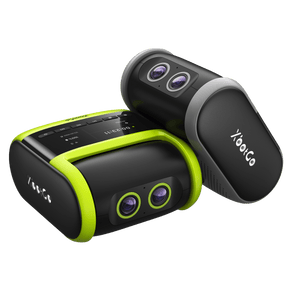
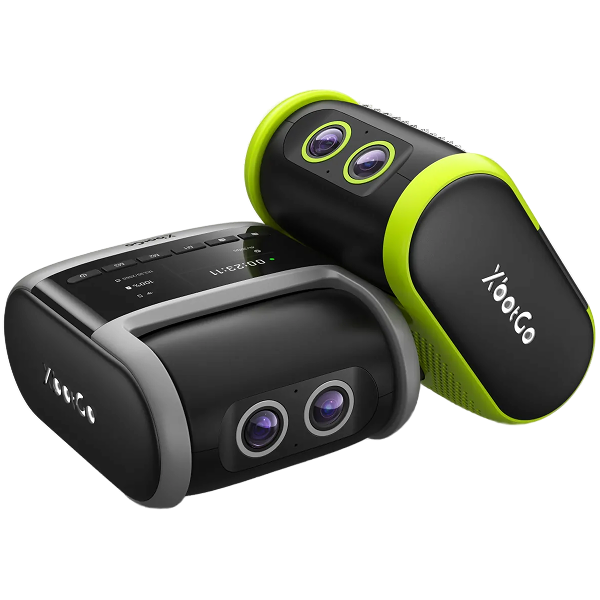
Los equipos que quieren grabar a sus jugadores y guardar estos momentos en video —sabiendo a qué número seguir y por qué— usan cada vez más cámaras con IA, como la XbotGo Falcon. Estas cámaras siguen la acción del partido automáticamente. No hace falta una persona para grabar: la cámara sigue el balón y a los jugadores por su cuenta, lo que es ideal para los clubes que graban sus partidos con regularidad.

#15 — El número del mejor de la historia
En la historia del voleibol, ningún número pesa tanto como el #15. Karch Kiraly lo llevó con la selección de Estados Unidos y en 2001 fue nombrado el Mejor Jugador del Siglo por la FIVB Es la única persona en la historia que ha ganado el oro olímpico tanto en voleibol de sala (Los Ángeles 1984, Seúl 1988) como en voleibol de playa (Atlanta 1996). La universidad de UCLA retiró su número 15 en 1993, algo muy poco común en este deporte.
Como bien dice un aficionado: la mayoría de la gente no recuerda los números de los jugadores famosos, pero el #15 es el único que todos conocen.

En resumen
Los números en el voleibol ganan significado con el tiempo. Algunos, como el #1 y el #4, tienen que ver con la posición y la tradición. Otros, como el #15 y el #14, representan carreras legendarias. Y unos cuantos —como el #7, #10 y #9— empezaron con grandes estrellas y ahora los usan quienes sueñan con ser como ellos.
Al final, el número que elijas será la forma en que tu equipo te reconozca. Elígelo con cuidado.