

XbotGo Falcon

What is a PTZ Camera? Complete Guide to Pan-Tilt-Zoom Tech [2026]
Ever missed capturing the winning goal because your camera was pointed at the wrong player? PTZ cameras promise to solve this problem—but they might not work the way you think.
PTZ (Pan-Tilt-Zoom) cameras are remotely controlled mechanical cameras that can swivel left to right, tilt up and down, and zoom in and out to follow action or monitor large areas. These cameras use servomotors to enable real-time movement and adjustment, typically offering 180 to 360-degree coverage. They're popular in security, broadcasting, and live streaming—but they come with trade-offs you should know about.

Understanding PTZ Camera Basics
What PTZ Actually Means
PTZ breaks down into three core functions:
Pan means the camera swivels horizontally from left to right. Most models can rotate a full 360 degrees, letting you monitor expansive areas without moving the camera itself.
Tilt refers to vertical movement—up and down on the camera's axis. Professional models typically offer up to 180 degrees of tilt range, according to industry specifications.
Zoom changes the focal length of the lens to magnify distant objects. Optical zoom ranges from 12x to 30x (or even higher), letting you capture license plates or faces from far away without losing image quality.

How PTZ Cameras Work
You control PTZ cameras remotely using several methods. The most basic is an IR remote control that comes with the camera. For professional setups, you might use a dedicated joystick controller that can manage multiple cameras simultaneously. Many modern systems offer web-based control or mobile apps for on-the-go adjustments.
Here's the catch: someone needs to actively operate them. As one security expert bluntly noted, "I have always found with PTZ cameras, they are usually looking the wrong way when you need them!"
Types of PTZ Cameras
IP PTZ Cameras
IP (Internet Protocol) cameras transmit video over your network using ethernet cables. These cameras can be controlled from anywhere on your local network or even remotely via the internet. They're the most popular choice for modern installations because they offer flexibility and scalability.
Power over Ethernet (PoE) Options
PoE cameras are game-changers for installation simplicity. A single ethernet cable provides both power and data connectivity. This eliminates the need for separate power supplies and reduces installation complexity significantly.
Wireless and Outdoor Models
Wireless PTZ cameras connect via WiFi, making them ideal when running cables isn't practical. Outdoor models feature weatherproof housings with IP ratings that indicate protection against rain, dust, and extreme temperatures.
PTZ Camera Applications and Use Cases
Security and Surveillance
PTZ cameras excel in guard stations where active personnel monitor feeds continuously. They're commonly deployed in parking lots, stadiums, transportation hubs, and warehouses where one camera can cover what might otherwise require multiple fixed cameras.
But there's a critical limitation. As one explained, "Unless you get one with capable video analytics that track objects, they are somewhat wasteful for residential. They are for places that have security personnel actively monitoring."
Professional Broadcasting
Professional broadcasters use PTZ cameras (often called "robo-cams") in television studios and live events. These systems can cost $10,000+ per camera and require professional operators and controllers. They're integrated with video switchers, allowing a single operator to manage multiple camera angles simultaneously.
Live Streaming and Content Creation
Content creators use PTZ cameras for YouTube, video conferencing, and live streaming. USB-connected PTZ cameras offer plug-and-play functionality with streaming software like OBS, vMix, or Zoom. However, budget is crucial here—a YouTube creator noted that cameras "can range in price from a couple 100 to a couple 1,000," with quality varying dramatically.
Sports and Event Coverage
Traditional PTZ cameras struggle with fast-paced sports action. Manual operation can't keep up with rapid gameplay, and you might miss crucial moments while adjusting the camera. Professional sports broadcasts use multiple manned PTZ cameras plus fixed cameras—an expensive setup beyond reach for most teams.
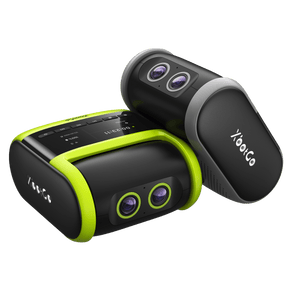
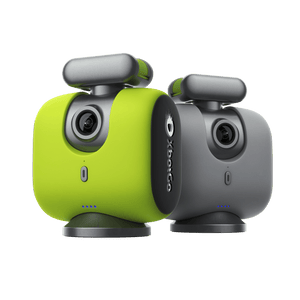
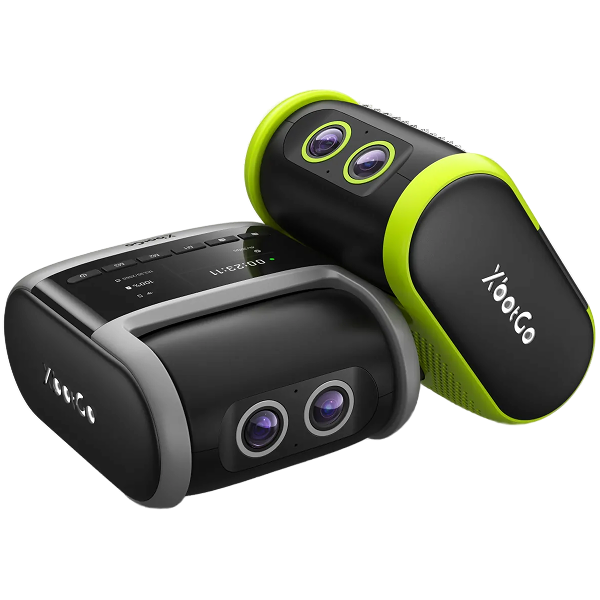
This is where innovation has stepped in to fill the gap. Modern AI-powered systems like the XbotGo Falcon address these specific limitations for sports filming.
Unlike traditional PTZ cameras that require constant manual control, Falcon uses sports-specific artificial intelligence to autonomously track players by jersey number, predict gameplay movements, and maintain professional framing throughout the game. It's designed specifically for team sports like soccer, basketball, and lacrosse—delivering broadcast-quality 4K footage without needing a camera operator.
This approach might work well if you're filming youth sports, training sessions, or recreational games where hiring professional camera crews isn't feasible but you still want quality coverage.

Choosing the Right PTZ Solution
Assess Your Actual Needs
Start by defining your use case. Do you need active monitoring (security) or automated recording (events)? Will someone operate the camera, or do you need automatic tracking? Your answers determine whether PTZ is even the right choice.
Professional vs Consumer Options
Professional brands like Canon, Panasonic, and Sony dominate the high-end market. According to video engineers, these are the only brands to consider if you need broadcast quality and reliability. Consumer brands offer more affordable options but with significant compromises in image quality and control responsiveness.
Consider Alternative Technologies
Don't overlook ePTZ (electronic pan-tilt-zoom) cameras. These fixed cameras use digital zoom to simulate PTZ effects while maintaining continuous full-scene recording. You won't have coverage gaps because the camera records everything, letting you digitally pan and zoom during playback.
For specialized applications like sports filming, AI-powered autonomous tracking systems may offer better results than traditional PTZ setups—especially if you don't have dedicated camera operators available.
The Bottom Line
PTZ cameras are powerful tools when used correctly. They excel in scenarios with active monitoring, professional production crews, or preset surveillance patterns. They're not magic solutions, though—they require thoughtful implementation, proper budgeting, and realistic expectations about their limitations.
If you're monitoring a parking lot with security personnel, PTZ cameras might be perfect. If you're filming your kid's soccer game, you probably need something designed specifically for that dynamic environment instead.
The key is matching technology to your actual needs—not buying the most feature-packed camera you can afford and hoping it works out.