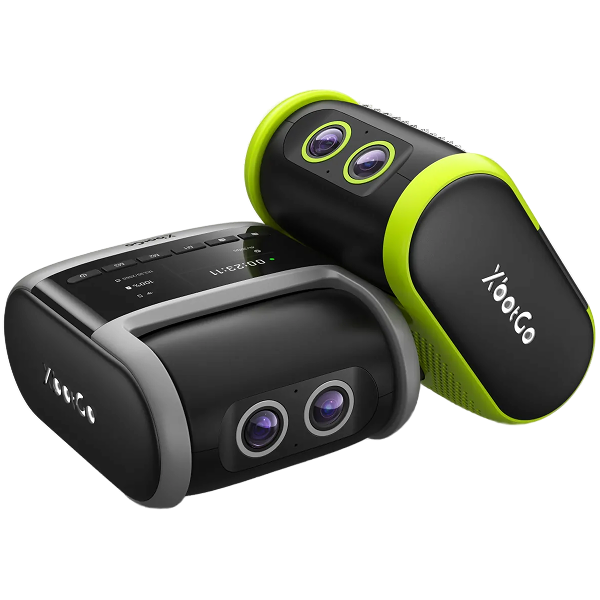


XbotGo Falcon
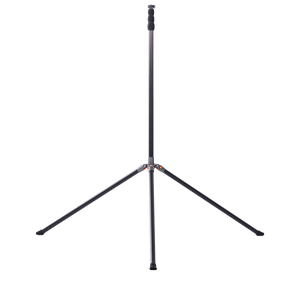
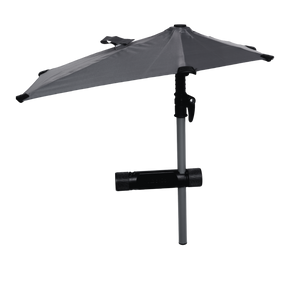
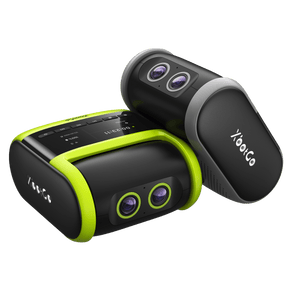
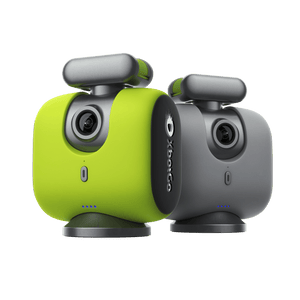
XbotGo Falcon All-in-One 4K Camera — just power on and play. Powered by XbotVision 3.0, it delivers high-speed, precise auto-tracking for soccer, basketball, hockey, and 10+ sports. The all-in-one app lets you stream live for free, edit with AI, and share highlights instantly. No subscriptions.
Learn More

¿Qué es el Mundial de la FIFA? Todo lo que debes saber
El Mundial de la FIFA es el evento deportivo más grande del mundo. Cada cuatro años, 32 países juegan durante un mes para ver quién es el mejor. La final de 2022 entre Argentina y Francia la vieron 1.420 millones de personas; ha sido el partido más visto de la historia.
No se parece al Super Bowl ni a las Olimpiadas. Es algo único.
Aquí te explicamos lo más importante: qué es el Mundial, cómo funciona, quiénes han ganado más veces y qué cambiará en 2026, cuando el torneo se juegue en Estados Unidos, Canadá y México.

Un torneo que nació de una medalla de oro
El Mundial de la FIFA empezó en 1930, pero la idea nació dos años antes.
En los Juegos Olímpicos de 1928, Uruguay dio la sorpresa y ganó la medalla de oro en fútbol. El presidente de la FIFA, Jules Rimet, vio aquello y decidió que el fútbol necesitaba su propio campeonato mundial. Uruguay se ofreció como sede y trece equipos cruzaron el océano Atlántico para participar. Uruguay volvió a ganar, venciendo a Argentina 4-2 en la primera final de la historia.
Desde entonces, el torneo se juega cada cuatro años. Solo se detuvo en 1942 y 1946 por la Segunda Guerra Mundial. En las 22 ediciones que se han jugado, solo ocho países han logrado ganar el trofeo.
¿Cómo funciona el Mundial?
El torneo tiene dos etapas principales:
1. La clasificación ocurre durante los tres años anteriores al Mundial. Los países juegan partidos contra equipos de su misma zona (Europa, Sudamérica, África, etc.). Los mejores ganan su "boleto" para el torneo. El país que invita (el anfitrión) no tiene que jugar esto, ya está invitado automáticamente.
2. El torneo final
-
Grupos: Se arman 8 grupos con 4 equipos cada uno. Juegan todos contra todos. El que gana recibe 3 puntos y el que empata 1. Los dos mejores de cada grupo siguen adelante.
-
Eliminación directa: Aquí no se puede empatar. El que gana avanza y el que pierde se va a casa. Si después del tiempo normal siguen iguales, hay tiempo extra o penaltis. Así se llega hasta la gran Final.
3. Premios especiales Al final, la FIFA premia a los mejores:
-
Balón de Oro: El mejor jugador de todos.
-
Bota de Oro: El que más goles metió.
-
Guante de Oro: El mejor portero del torneo.
¿Qué países tienen más títulos?
Solo ocho países han ganado el Mundial:
-
Brasil: Es el mejor con 5 títulos. Además, es el único país que ha jugado todos los Mundiales de la historia.
-
Alemania e Italia: Tienen 4 títulos cada uno.
-
Argentina: Tiene 3 títulos. El último lo ganaron en 2022 con Lionel Messi.
-
Francia, Uruguay, Inglaterra y España: Tienen 1 título cada uno.
Los máximos goleadores:
-
Miroslav Klose (Alemania): Es el jugador con más goles en la historia de los Mundiales (16 goles en total).
-
Just Fontaine (Francia): Tiene el récord de más goles en un solo Mundial (metió 13 goles en el año 1958). Nadie ha podido superar esa cifra todavía.

¿Por qué el Mundial es especial?
El fútbol de clubes (como la Champions o La Liga) es muy diferente al Mundial.
En los clubes, los jugadores tienen un contrato y pueden cambiar de equipo. En el Mundial, juegan por su país. Messi solo puede jugar con Argentina y Mbappé solo con Francia. Esto hace que los jugadores sientan mucho orgullo.
Además, como el Mundial es cada cuatro años, los jugadores tienen muy pocas oportunidades en su vida. Muchos solo juegan dos o tres Mundiales en toda su carrera. Por eso hay tanta presión y emoción.
El informe oficial de la FIFA dice que el Mundial de Qatar 2022 tuvo 5.000 millones de interacciones en televisión y redes sociales. Fue el Mundial más seguido de la historia. Incluso la gente que no ve fútbol normalmente pone la televisión para ver la final.
¿Qué cambiará en el Mundial 2026?
El próximo Mundial será el más grande de todos. Estos son los cambios principales:
-
Tres países juntos: Por primera vez, el Mundial se hará en tres países: Estados Unidos, Canadá y México. Empezará el 11 de junio y la final será el 19 de julio en Nueva Jersey. Todos los detalles de las ciudades y las fechas están en la página oficial del Mundial 2026.
-
Muchos más equipos: Antes jugaban 32 países, pero ahora jugarán 48 países. Es la primera vez que se invita a tantos equipos.
-
Nueva forma de jugar: Habrá 12 grupos. Como hay más equipos, se añade una ronda nueva después de los grupos donde jugarán los mejores 32.
-
Más dinero en premios: Se repartirá mucho más dinero. El equipo que gane la final se llevará 50 millones de dólares. Solo por participar, cada país ya recibe más de 10 millones.

Si el Mundial te motiva para mejorar tu equipo juvenil, grabar los partidos es la forma más rápida de ayudar a tus jugadores. La cámara XbotGo Falcon usa inteligencia artificial y graba en 4K. Sigue sola los movimientos de los jugadores por todo el campo, así que no necesitas a nadie que la maneje. Con ella, los entrenadores pueden concentrarse en el partido mientras la cámara hace todo el trabajo. Es tecnología profesional para equipos jóvenes.
Preguntas comunes
- ¿Cada cuánto tiempo se juega?
- Cada cuatro años. El próximo es en 2026 en Estados Unidos, Canadá y México.
- ¿Cuántos equipos participan?
- Ahora juegan 32, pero en el año 2026 jugarán 48 países.
-
¿Quién ha ganado más veces?
-
Brasil, con 5 copas. Es el único país que ha jugado todos los Mundiales.
-
¿Es igual el Mundial Femenino?
-
No, es un torneo separado que también se juega cada cuatro años.
Resumen
Resumen final
El Mundial de la FIFA dura un mes y se hace cada cuatro años. Es la competencia más importante del fútbol.
Empezó en 1930 con pocos equipos y ahora es gigante. Brasil es el máximo ganador y Argentina es el campeón actual. En 2026, el torneo volverá a Norteamérica después de mucho tiempo.