

 Chameleon


 Fútbol
 Baloncesto
 Hockey sobre hielo
 Lacrosse
 Fútbol americano
 Balonmano
 Padres


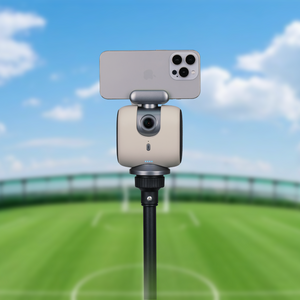
Cámara deportiva con IA XbotGo Chameleon
¿Qué es el sensor Sony IMX678? La tecnología detrás del vídeo 4K
If you've been shopping for a dash cam, security camera, or any device promising exceptional video quality in low light, chances are you've come across the Sony IMX678 sensor. But what exactly makes this little piece of technology so special—and why does everyone seem so excited about it?
The Sony IMX678 is an 8.29-megapixel CMOS image sensor that's part of Sony's STARVIS 2 lineup. Think of it as the "brain" behind the camera that converts light into the video you see. What sets it apart is its remarkable ability to capture crystal-clear 4K footage, even when lighting conditions are less than ideal.
Let me break down why this sensor has become the gold standard across multiple industries—and why it might matter to you.

The Numbers That Actually Matter
Here's what you need to know about the IMX678's capabilities:
Resolution: 3840 × 2160 pixels (true 4K)
Sensor Size: 1/1.8 inch (7.7 × 4.3 mm)
Low-Light Performance: Works down to 0.13 lux
Pixel Size: 2.0 × 2.0 micrometers
Now, those specs might sound technical, but here's what they mean in real-world terms: you get smooth, detailed video that stays clear even when the sun goes down or you're filming in dimly lit spaces.
Why Low-Light Performance Is a Game-Changer
The IMX678 needs only 0.13 lux to produce quality footage. To put that in perspective, that's about the light level you'd experience on a heavily overcast day or in a room lit by a single candle. Compare that to the previous-generation IMX415, which required 0.23 lux—that's nearly 50% more light.
Real-world testing backs this up. A tech expert testing a microscope camera with the IMX678 was genuinely surprised: "With no light at all, I can't believe I still have picture. That's crazy."
This low-light capability opens up practical uses you might not have considered:
- Recording evening events without harsh artificial lighting
- Capturing clear footage in parking structures or tunnels
- Documenting nighttime activities with minimal equipment
- Getting usable video during dawn or dusk when light changes rapidly
Dynamic Range: Seeing Both Shadows and Highlights
Another standout feature of the IMX678 is its Wide Dynamic Range (WDR) technology. This allows the sensor to simultaneously capture detail in both bright and dark areas of the same scene.
Think about driving into a tunnel on a sunny day. Most cameras struggle with this—the bright entrance washes out, or the dark tunnel interior turns into a black void. The IMX678's HDR capabilities handle both extremes, maintaining detail throughout.
Professional reviewers consistently note this advantage: "You can see the details from the port, but not with other sensors. The dynamic range is clearly superior."
Where You'll Find the IMX678 in Action
Dash Cams and Automotive Applications
The automotive industry has widely adopted the IMX678 for premium dash cams. Some people recommend looking for this specific sensor: "If you want the best chance of reading license plates, you'll need a dash cam equipped with the Sony STARVIS IMX678 image sensor."
Popular models like the Viofo A139 Pro and Thinkware U3000 feature this sensor specifically for its night performance and detail capture.
Seguridad y vigilancia
Security cameras benefit enormously from the IMX678's capabilities. The sensor excels at:
- 24/7 monitoring with consistent quality
- Facial recognition in varying light conditions
- Capturing usable evidence during nighttime incidents
- Handling challenging lighting scenarios like backlit subjects
Industrial and Machine Vision
The sensor's high resolution and low noise make it ideal for industrial applications requiring precision:
- Quality control inspection on production lines
- Robotics navigation and obstacle detection
- AI-powered visual processing systems
- High-speed measurement and analysis

How It Compares to Older Sensors
IMX678 vs. IMX675
The IMX675 was already a solid performer, but the IMX678 takes things further:
Resolution: The IMX678 delivers native 4K, while the IMX675 typically operates at 2K
Low-Light: Users report approximately 30% better performance in dark conditions
IMX678 vs. IMX335 (Legacy Sensors)
The jump from IMX335 to IMX678 represents a generational leap rather than incremental improvement. You're looking at significantly enhanced dynamic range, better color accuracy, and that crucial 30% boost in low-light sensitivity.
A Sports Revolution: XbotGo Falcon
While most IMX678 applications focus on security or automotive uses, XbotGo saw its potential for something different: capturing team sports action.
The XbotGo Falcon combines the IMX678's 4K capability with AI-powered tracking designed specifically for sports. The sensor's low-light performance means you can record evening games without stadium lighting, while the high resolution ensures fast-moving plays stay sharp.
The Falcon's AI can recognize jersey numbers and automatically follow players—capabilities that require the IMX678's exceptional image quality to work reliably. It's a perfect example of how advanced sensor technology, when paired with smart software, can create entirely new possibilities.

Making the Most of IMX678 Technology
If you're considering a device with the IMX678 sensor, here are key factors to keep in mind:
Implementation Quality: The sensor's performance depends on how well the manufacturer integrates it. Look for devices that fully utilize its capabilities rather than limiting features for cost savings.
Firmware Updates: Manufacturers who regularly update firmware can improve sensor performance over time through better optimization.
Supporting Hardware: The sensor needs adequate processing power and storage to handle 4K recording without bottlenecks.
El resultado final
The Sony IMX678 sensor represents a significant leap in imaging technology, bringing professional-grade capabilities to everyday devices. Its exceptional low-light performance, superior dynamic range, and consistent 4K recording make it the top choice across industries—from dash cams and security systems to innovative sports filming solutions like the XbotGo Falcon.
Whether you need equipment that captures critical details in challenging conditions or want future-proof technology that delivers reliable results, the IMX678's capabilities offer exactly what modern applications demand.

Cámara deportiva con IA XbotGo Chameleon
Captura cada momento con el seguimiento basado en inteligencia artificial. Perfecto para entrenadores, padres y deportistas que desean obtener imágenes perfectas sin necesidad de grabar manualmente.