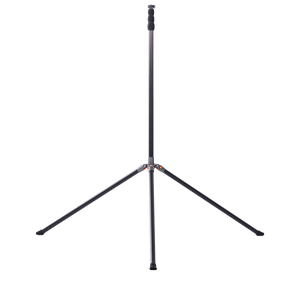


XbotGo Falcon

What to Eat Before a Soccer Game (And When to Eat It)
Most players know carbs matter before a soccer game. What they get wrong is the timing.
The right food eaten at the wrong time can leave you sluggish, cramping, or running on empty in the final 20 minutes — when matches are often decided. A soccer player covers 10–13 km per match and performs over 1,000 high-intensity actions. Your fuel needs to be ready when you need it, not still sitting in your stomach.
This guide walks through what to eat before a soccer game at every step of the timeline.

The Night Before: Fill the Tank Early
The most important nutrition window isn’t your pre-game meal — it’s the full 24 hours before kickoff.
Muscle glycogen (your body’s high-octane fuel for sprints and quick changes of direction) takes time to build. You can’t cram it in the morning of a game. Sports scientists recommend targeting 6–8 g carbs per kg bodyweight spread across meals in the day before the match — that’s 420–560 grams of carbs for a 70 kg player.
That doesn’t mean three bowls of pasta. It means making carbs the focus of every meal: breakfast, lunch, dinner, and snacks. Rice, potatoes, bread, pasta, fruit, and oats all count. Keep fat low and avoid anything heavily spiced or greasy, which can upset your stomach the next day.
Good night-before choices: spaghetti with a light meat sauce, chicken with rice and roasted vegetables, or a burrito with beans and rice. Skip the deep fryer.
3–4 Hours Before Kickoff: Your Pre-Game Meal
This is your main fueling window. Eat a carb-forward meal — roughly 60–65% of calories from carbohydrates, with moderate lean protein and low fat.
Practical targets for a 70 kg player: 110–150 grams of carbohydrates in this meal, with 20–35 grams of protein. Think a large plate of rice or pasta, a palm-sized portion of chicken or fish, and some low-fiber vegetables (carrots, zucchini, green beans — not broccoli or beans, which take longer to digest).
Other solid options: - Grilled salmon + steamed rice + green beans + dinner rolls - Pancakes + scrambled eggs + fresh fruit - Bagel with turkey + banana + sports drink
One thing most nutrition guides don’t mention: how old you are matters. Younger players can often eat 2.5 hours before a game and feel fine. Players in their late 20s and beyond generally need the full 3–4 hours. A younger player eating a full meal at halftime of the previous game and lining up fine is not unusual. For older players, that same move is a gamble. If you’ve been playing for a while, give yourself more runway.

1 Hour Before: Top Up, Don’t Load Up
By this point, your main tank should already be full. The goal now is a small top-up of fast-digesting carbohydrates — not another meal.
Aim for 30–60 grams of simple carbs. Good choices: a banana, white toast with honey, a handful of pretzels, or a small sports drink. This is not the time for a sandwich or a protein bar with heavy ingredients.
Digestion competes directly with athletic performance — blood flow goes to your gut or your muscles, not both. Eating too much in this window is one of the most common reasons players feel heavy-legged in the first half.
If your stomach runs hot before games, skip the solid food and stick to a carb-containing sports drink or nothing at all. Playing slightly hungry is better than playing with your stomach working overtime.

Playing a Morning Game? Different Rules Apply
A 9 AM kickoff breaks the standard playbook. If you’re waking up at 7, you can’t eat a full meal and expect it to digest in time. This is one of the most common scenarios in youth soccer — and the one most nutrition guides barely address.
The best approach: keep it light, fast, and familiar.
Toast with peanut butter and a drizzle of honey, plus a banana on the side, is the most battle-tested morning game combination. It’s fast-digesting, easy to make, and gives you carbs from three different sources. Oatmeal with a banana works too if you have slightly more time. Scrambled eggs with toast is fine if you’re playing at 10 or 11 AM and can eat at 8.
Whatever you choose, start hydrating the moment you wake up. Your body is already slightly dehydrated after sleeping. A glass of water before anything else, then sip consistently until warm-up.
Avoid: anything greasy, anything new, and anything that requires cooking time you don’t have.

What to Skip Before a Soccer Game
Some foods actively work against you on game day:
- High-fat foods — slow digestion, sluggish feeling (burgers, pizza, heavy sauces)
- High-fiber vegetables — beans, lentils, broccoli, cauliflower, Brussels sprouts cause bloating and GI distress
- Spicy or fried foods — heartburn risk during intense activity
- Energy drinks — high sugar spikes are followed by crashes; research on young athletes links energy drinks to headaches, insomnia, and poor recovery
- Anything you’ve never eaten before a game — game day is not the time to find out how your stomach handles something new
Bananas get universal praise, but one experienced coach puts it bluntly: a sports drink gives you more potassium, more electrolytes, and faster absorption than a banana alone. Bananas aren’t bad — just don’t lean on them as your only hydration strategy.

Hydration: The Part Most Players Forget
Pre-game nutrition isn’t just food. A 2% drop in body weight from dehydration reduces performance by 10–20%. Most players are already mildly dehydrated before they warm up.
Daily target: 35–40 mL of water per kilogram of body weight in the 24 hours before a match. For a 75 kg player, that’s roughly 2.6–3 liters throughout the day — not just pre-game.
About 4 hours before kickoff, drink 5–7 mL per kilogram of body weight (around 350–500 mL for most players). Add a small pinch of salt to your pre-game meal — sodium helps your body hold onto fluid and primes your muscles for contraction.
In hot weather, or if you sweat heavily, bring an electrolyte drink. Plain water won’t replace what you lose through sweat fast enough.
You work hard on your positioning, your first touch, your fitness. Nutrition is the same system — you dial it in during training, not on game day. Some teams go a step further and film matches to review how players hold up physically in the final 20 minutes, which is exactly when glycogen stores run low and the gaps show.
Tools like the XbotGo Falcon can record and auto-track a full 90-minute game without a camera operator, so coaches and players can connect what happened on the pitch to the choices they made the day before.
Get the fueling right, and the last 20 minutes look a lot different.