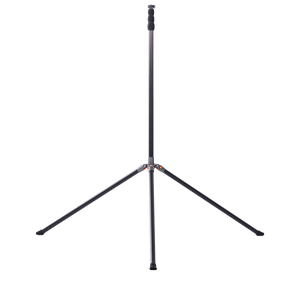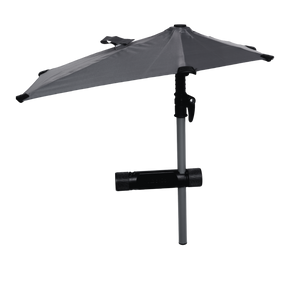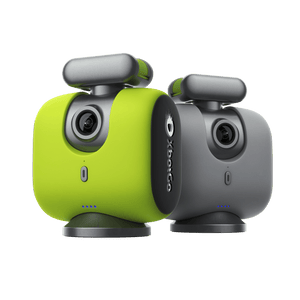


XbotGo Falcon

¿Cuándo fue el primer Mundial? La historia de cómo el fútbol empezó hecho un lío
El primer Mundial de la FIFA fue en Uruguay, en julio de 1930. Pero hay algo que casi nadie sabe: faltando solo dos meses para que empezara, ¡ni un solo equipo de Europa se había apuntado! Estuvo a punto de no hacerse nada.
Lo que pasó después fue uno de los eventos más improvisados y caóticos de la historia del deporte, pero que terminó siendo un exitazo. Ese fue el origen de todo lo que vemos hoy en la tele.

¿Por qué Uruguay?
Hubo tres razones por las que Uruguay era la opción lógica. Primero, eran los campeones olímpicos actuales, después de ganar el oro dos veces seguidas en París (1924) y Ámsterdam (1928). Además, en 1930 celebraban los cien años de su independencia. Y lo más importante: se ofrecieron a pagar de su propio bolsillo todos los gastos de viaje y hotel de los equipos que vinieran.
Al principio, cinco países europeos se postularon para ser la sede: España, Italia, los Países Bajos, Suecia y Hungría. Pero al final, todos se retiraron. En elCongreso de la FIFA de 1929 en Barcelona, se decidió: el primer Mundial se iba para Sudamérica.
Llegar al Mundial fue casi más difícil que jugarlo
Incluso con la sede ya lista, los europeos no querían ir. Cuando se cumplió el plazo para apuntarse en febrero de 1930, ni un solo país de Europa había confirmado. El presidente de la FIFA, Jules Rimet, tuvo que rogarle a Francia (que era su país) que fuera casi por hacérle un favor. Bélgica aceptó porque el vicepresidente de la FIFA les insistió mucho. Y lo de Rumanía fue de locos: el rey Carlos II, que acababa de llegar al trono, armó el equipo él mismo, amenazó a los jefes que no querían dar permiso a los jugadores y él mismo eligió a quiénes se llevaba.
El viaje fue una paliza total. Los equipos se subieron a un barco italiano llamado SS Conte Verde en Génova y se pasaron casi tres semanas en el mar antes de ver Montevideo. El mismo Jules Rimet viajó con ellos, llevando el trofeo del Mundial guardado en su maleta. A Egipto —el único invitado de África— le fue peor: una tormenta en el Mediterráneo retrasó su barco y perdieron la conexión. Al final, pasaron de ser 14 equipos a 13 antes de que la pelota empezara a rodar.
El Torneo
Fueron 13 países, no hubo eliminatorias para clasificar y se jugaron 18 partidos en total. Lo curioso es que todos los partidos se hicieron en Montevideo, repartidos en tres estadios. El más importante de todos, el Estadio Centenario, se construyó solo para esta ocasión y Jules

Los equipos se dividieron en cuatro grupos. Solo los ganadores de cada grupo pasaron a las semifinales. Estados Unidos fue la gran sorpresa, porque llegó a la semifinal; este sigue siendo su mejor resultado en un Mundial. Las dos semifinales terminaron con el mismo marcador: 6–1. Argentina le ganó a Estados Unidos y Uruguay goleó a Yugoslavia. Así, la final fue totalmente sudamericana.
Récords y Primicias
El Mundial de 1930 estuvo lleno de "primeras veces" que la mayoría de los artículos pasan por alto.
Lucien Laurent, de Francia, anotó el primer gol en la historia de los Mundiales; fue en el minuto 19 contra México, el 13 de julio de 1930. El estadounidense Jimmy Douglas logró mantener la primera portería a cero (invicta). Técnicamente, el primer "hat-trick" le pertenece a Bert Patenaude (EE. UU.), aunque no se le reconoció oficialmente hasta 2006, cuando la FIFA corrigió una disputa histórica de 76 años sobre los récords.
|
Récord |
Jugador / Equipo |
Detalle |
|
Primer gol |
Lucien Laurent (Francia) |
Minuto 19, contra México, 13 de julio |
|
Primer partido sin goles |
Jimmy Douglas (EE. UU.) |
Jimmy Douglas (EE. UU.) |
|
Primer hat-trick (oficial) |
Bert Patenaude (EE. UU.) |
Contra Paraguay — corregido por la FIFA en 2006 |
|
Máximo goleador |
Guillermo Stábile (Argentina) |
Guillermo Stábile (Argentina) |
|
Entrenador campeón más joven |
Alberto Suppici (Uruguay) |
31 años — el récord sigue vigente hoy |
The Final
El 30 de julio de 1930, unas 68,000 personas llenaron el Estadio Centenario. Miles de hinchas argentinos cruzaron el río en barco gritando: “victoria o muerte” . El árbitro belga aceptó pitar el partido con una condición: tener un barco listo para escapar de la ciudad apenas terminara el juego.
Antes de empezar, los equipos no decidían qué balón usar. Al final, usaron el balón de Argentina en la primera parte y el de Uruguay en la segunda. Argentina ganaba 2–1 al descanso. Pero en el segundo tiempo, Uruguay reaccionó y metió tres goles seguidos. El último gol lo hizo Héctor Castro en el minuto 89. Él era un delantero muy especial porque no tenía su antebrazo derecho; lo había perdido de niño en un accidente con una sierra.
Resultado final: Uruguay 4–2 Argentina.

Las consecuencias
El 31 de julio fue día festivo en Uruguay para celebrar. Pero en Buenos Aires, la gente estaba enojada y tiró piedras al consulado de Uruguay. Por un tiempo, los dos países dejaron de hablarse oficialmente.
Esto tuvo más efectos después. Uruguay estaba muy molesto porque pocos países europeos viajaron a su Mundial en 1930. Por eso, Uruguay no quiso participar en el Mundial de 1934. Es el único campeón en la historia que no fue al siguiente torneo para defender su título.
De la radio a las cámaras con IA
En 1930, si no estabas en el estadio, solo podías seguir los partidos por radio. No había cámaras para ver a los jugadores ni videos para que los entrenadores estudiaran. El primer gol de la historia solo se pudo leer en los periódicos.
Hoy, el fútbol de los jóvenes es muy diferente. Cámaras como la XbotGo Falcon permiten a los padres grabar los partidos en alta calidad (4K) sin ayuda de un camarógrafo. Se instala en dos minutos y su inteligencia artificial sigue el juego automáticamente por tres horas. No hay que pagar mensualidades. Lucien Laurent solo tuvo una noticia en el periódico, pero los jugadores de hoy pueden tener sus mejores jugadas en video.

Datos rápidos: El Mundial de la FIFA 1930
|
Detalle |
Información |
|
Fechas |
13 al 30 de julio de 1930 |
|
País sede |
Uruguay |
|
Ciudad sede |
Montevideo |
|
Equipos |
13 |
|
Partidos jugados |
18 |
|
Campeón |
Uruguay |
|
Subcampeón |
Argentina |
|
Resultado final |
4–2 (Descanso: 1–2) |
|
Máximo goleador |
Guillermo Stábile (Argentina) — 8 goles |
|
Goles totales |
70 |
|
Primer goleador |
Lucien Laurent (Francia) |
El Mundial de 1930 no fue un evento elegante. No existía la televisión, no se transmitía a todo el mundo y casi no había suficientes equipos para jugar. Sin embargo, ese torneo creó el modelo que se ha mejorado durante 96 años. Cada gol que ves hoy nació con aquel disparo en el minuto 19 en Montevideo, anotado por un francés en un viaje en barco que nadie imaginó hacer.