

 Chameleon


XbotGo Falcon

How to Be a Basketball Coach: The Real Road to NCAA
How to be a basketball coach at the college level is something a lot of people wonder about, but few get a straight answer on. Here’s the honest version: the average first-time Division I head coach is 42.6 years old and has 15.6 years of experience behind him before he gets the job.
That’s not a discouragement. It’s a map.
The path is long, underpaid, and built entirely on relationships. But it’s a real path, and there are specific steps that get you there.

The Staff Ladder You Have to Climb
Every college basketball program runs on a clear hierarchy, and almost everyone starts at the bottom. Here’s what each level looks like in practice:
- Graduate Assistant (GA) — Enrolled in a master’s program. Handles film breakdown, logistics, practice setup, and anything else the staff needs. Earns roughly $10,000–$20,000 per year at D1 schools.
- Volunteer Assistant — Same duties as a GA, often with no pay at all.
- Full-Time Assistant Coach — First paid coaching role. Low-major D1 assistants typically earn $35,000–$45,000.
- Associate Head Coach — Senior assistant, usually leading recruiting coordination and player development.
- Head Coach — Nearly three-quarters of first-time D1 head coaches started at the low-major level before getting to run a program.
The move from one rung to the next rarely happens on a schedule. It happens when a coach who knows you gets a job and brings you with him.

Two Paths In—And Both Are Real
If you played college basketball, you walk into recruiting conversations with built-in credibility. Former D1 players are heavily favored for assistant roles at high-major programs, and some go directly from playing careers to staff positions. The path is faster, but it’s not guaranteed.
If you didn’t play, the most reliable entry point is becoming a student manager at a college program. Managers who make themselves indispensable—showing up early, staying late, cutting film, and doing every unglamorous task without being asked—earn trust with coaching staffs, which leads to GA offers.
As one former manager at a Power 5 program put it: “It’s really all about work ethic. The coaches don’t need you to play, they need you to do the things nobody wants to do—make the Gatorade, set up practice, wipe up sweat. I got to travel with the team, made a million connections, and now work in sports.”
Neither path is a shortcut. Both are real.
Your Network Is the Job Market
Here’s something most aspiring coaches don’t know about D1 coaching jobs: by the time a position is posted online, it’s already filled. The offer happens informally. The paperwork follows later. If you’re waiting to see a D1 assistant role advertised on a job board, you’re looking in the wrong place.
The mechanism driving hiring is the coaching tree—who you worked under and what that person’s reputation is. Programs built by coaches like Jay Wright, Matt Painter, and Mike White produced more first-time head coaches than almost anyone else in recent years, because those coaches actively placed their assistants. Working for the right people is as important as any skill you develop on the court.

Building your network is a daily practice. One D1 Director of Basketball Operations described writing down a list of coaches and basketball personnel to contact every single morning—head coaches, assistants, video coordinators, high school coaches, AAU directors. The reason: when a job opens, it goes to someone the decision-maker already knows and trusts.
Summer exposure camps are the best networking events in the business. Getting on staff at grassroots events and elite high school showcases—even for nothing—puts you in rooms with college coaches who are actively evaluating talent and the people around them.
Film Study Is Not Optional—It’s the Job

A lot of aspiring coaches focus on the in-game side of the job. That’s understandable—it’s what you see on TV. But a former D1 head coach who spent years in the Big East and A-10 put it plainly: about 75% of a coach’s impact on a season comes from what happens in practice, not on game night.
That practice planning runs on film. Every game gets reviewed. Every opponent gets scouted. Player development sessions are built from individual breakdown clips. Assistants on most D1 staffs spend more time watching film than coaching live reps.
Proficiency with platforms like Synergy, Hudl, and FastModel is now a baseline expectation on most staffs. Coaches who can do more with video get more responsibility.
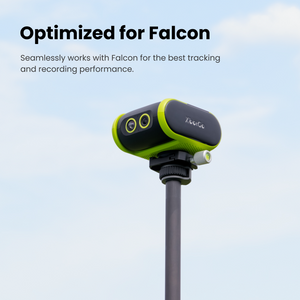
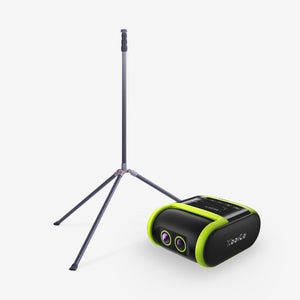
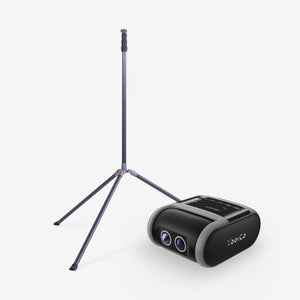
For programs that want clean game footage without pulling a staff member away from coaching duties, tools like the XbotGo Falcon could be worth considering. It automatically tracks and records games in 4K using AI, so coaching staffs have film-ready footage after every game without needing a dedicated camera operator.

The Financial Reality Nobody Mentions
The salaries at the top of college basketball are extraordinary. Bill Self earns $9.6 million per year at Kansas, and Tom Izzo earns $6.2 million at Michigan State. Those numbers are real, and they’re what the ceiling looks like.
The floor looks very different. GA stipends run $10,000–$20,000. Volunteer assistants earn nothing. Many coaches in the early years spend more on basketball than they make from it. One coach described grinding from 5am to 9pm during the season on a $1,500 stipend while holding a full-time job on the side.
Most coaches at the low and mid-major level supplement their income through summer camps, private instruction, or separate careers. Teaching credentials are commonly recommended—they provide stable income while keeping enough schedule flexibility to coach.
Understanding both the ceiling and the floor before you commit matters a lot. The coaches who eventually get to the head jobs almost all lived through years of the financial grind first.

Your First Real Opportunity Will Come From a Person
Every coach who reaches the head level can trace the turning point to a specific person—a mentor who trusted them, a head coach who picked up the phone, a connection from a summer camp three years earlier.
That’s not luck. That’s how the industry works.
The practical path: get inside any program at any level, outwork everyone around you, build real relationships up and down the staff hierarchy, and keep showing up at events where coaches gather. Keep your compliance record clean. Let coaches see you coach. Do the unglamorous work without being asked.
The average timeline to a first D1 head coaching job is over 15 years. That’s the map.
Conclusión
How to be a basketball coach at the NCAA level starts with understanding what the job actually looks like before you get there. The staff hierarchy is real, the financial grind is real, and the relationship-driven job market is real. Start where you can—as a manager, a volunteer, or a summer camp worker—and build the network and film knowledge that move you up the ladder, step by step. The coaching tree you join will shape your career more than any credential you earn.

XbotGo Chameleon - Cámara deportiva con IA
Captura cada momento con el seguimiento basado en inteligencia artificial. Perfecto para entrenadores, padres y deportistas que desean obtener imágenes perfectas sin necesidad de grabar manualmente.