

XbotGo Falcon

March Madness 2026: Complete Guide to the NCAA Tournament
Packed college basketball arena during March Madness NCAA tournament with fans cheering
March Madness 2026 is almost here. The 68-team field is set, and basketball fans across America are gearing up for three weeks of single-elimination chaos. From Selection Sunday on March 15 to the National Championship on April 6, every game carries winner-take-all stakes. Analysts are calling this the most predictable tournament in years — but when 67 games decide everything, anything can happen.

What Makes March Madness Special
Every Game Is Everything
Professional sports offer second chances. Lose Game 3 of a series, and you can come back in Game 4. March Madness offers no such mercy. As one passionate fan shared: "Lose once and the dream comes crashing down. A dream that these programs worked an entire calendar year for."
Sixty-seven times during the tournament, a team faces elimination. Players compete knowing their season — and for seniors, their careers — could end in the next 40 minutes. That pressure creates something unique. "The raw emotions that you see when these fans and players realize that the ride is over — the crying that you see on the court — you rarely see anywhere else in the world of sports."
David Meets Goliath
Blue-blood programs valued at hundreds of millions face tiny mid-major schools that play in gyms smaller than some high schools. Future NBA lottery picks compete against players whose highest level of organized basketball will be this tournament.
The underdog getting their one shot. The overlooked program proving everyone wrong. The senior nobody has heard of, playing the game of his life on national television. These stories matter because they are real, unscripted, and fleeting.
The Bracket Culture Phenomenon
Millions of Americans fill out brackets, turning casual viewers into invested fans. Office pools. Family competitions. Online contests with thousands of entries. You do not need decades of basketball expertise to compete — a well-researched casual fan can beat a sports analyst, and a lucky guess can beat careful analysis. That democratic participation drives engagement that professional sports struggle to match.

2026 NCAA Tournament Schedule and Key Dates
March Madness follows a precise timeline from Selection Sunday through the National Championship:
|
Phase |
Dates |
Location |
|
Selection Sunday |
March 15, 6 p.m. ET |
CBS Broadcast |
|
First Four |
March 17–18 |
Dayton, Ohio |
|
First Round |
March 19–20 |
8 Cities Nationwide |
|
Second Round |
March 21–22 |
8 Cities Nationwide |
|
Sweet 16 |
March 26–27 |
4 Regional Sites |
|
Elite Eight |
March 28–29 |
4 Regional Sites |
|
Final Four |
April 4 |
Indianapolis |
|
Championship |
April 6 |
Lucas Oil Stadium |
The structure is brutally simple: lose once and you are done. No second chances, no multi-game series. Every game is essentially a Game 7.
The 2026 Landscape: Why Experts Say "Go Chalk"

Intense college basketball action shot with two players battling for a rebound
This year stands out for one remarkable reason: the top teams are genuinely dominant. Michigan, Arizona, and Duke are not just favorites — they are overwhelming favorites with historically strong records heading into the tournament.
One popular college basketball analyst has been tracking the landscape closely, calling it "probably going to be a very chalky tournament" while highlighting Michigan, Arizona, and Duke as almost guaranteed No. 1 seeds.
Michigan leads national efficiency rankings by significant margins. Their portal additions created roster depth that few programs can match.
Arizona entered conference play undefeated at 22-0, dominating opponents with offensive firepower and defensive intensity. Their only loss came to Kansas by a slim margin.
Duke brings elite recruiting combined with coaching excellence. They are young, but they possess the talent to overcome tournament inexperience.
The season marked the longest stretch without an unranked team defeating a ranked opponent. The good teams are really good, and the gap between elite programs and everyone else is wider than usual. As one college basketball enthusiast declared: "I am a 2026 convert to extreme chalk."
For the most current seeding projections, this latest bracketology breakdown covers the final weeks of conference play and their impact on tournament positioning.
Dark Horse Contenders Worth Watching
While the top seeds dominate headlines, several teams could crash the party. The bracket prediction threads in online communities show plenty of debate about which lower seeds could make noise.
Houston has earned No. 1 seeds three consecutive years and came within one possession of winning last year's championship. Their defensive identity travels well against any opponent.
Florida is playing the best basketball of anyone over the past two months. They are analytically superior to their likely 3-seed positioning, which creates genuine value for bracket predictors.
St. Louis emerges as the consensus Cinderella pick. At 22-1 with balanced analytical profiles, they could become the rare mid-seed to reach the Elite Eight. Bracketology analysts have also flagged the strength of the Big East and SEC as conferences to watch, and highlighted Nebraska's historic season — a program that has never won an NCAA tournament game.
Teams facing skepticism despite strong seeds:
- UConn: Potential No. 1 seed, but many analysts project a Sweet 16 exit. The Big East schedule may not have tested them adequately.
- Nebraska: Strong regular season, but zero tournament wins in program history. Experience matters in March.
- Gonzaga: After losing to Portland, their West Coast Conference schedule may not prepare them for tournament intensity.
Tournament Season Goes Beyond TV
Watch Parties and Bracket Culture

March Madness fans watching games at a sports bar watch party
March Madness is not just about watching — it is about the experience. Bracket reveals on Selection Sunday. Office arguments over sleeper picks. The collective gasp when a 15-seed hits a buzzer-beater. Opening Thursday and Friday create what many call "the best two days in sports," with basketball running essentially from noon to midnight. Many fans take vacation days just to watch.
Some families even livestream their kid's away tournament games so grandparents and relatives can follow along — the XbotGo Falcon supports direct streaming to YouTube and Facebook, which could come in handy for that.

XbotGo Falcon live streaming feature for sports games
Youth Tournament Season Runs in Parallel
Youth basketball tournament in a community gymnasium with parents watching from bleachers
Here is something that does not get talked about enough: while the pros battle on national TV, thousands of youth basketball tournaments run across the country every March. If your kid is playing in one, you already know the challenge. You want to watch the game, not spend three hours holding a camera.
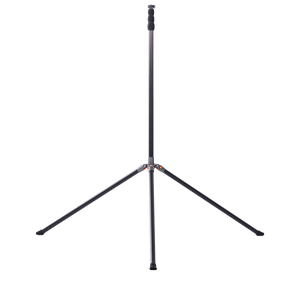
That is where standalone AI sports cameras could be worth a look. The XbotGo Falcon is a dedicated 4K camera that auto-tracks the action — no phone needed. Set it up on a tripod, hit record, and go sit in the bleachers. It is a one-time purchase with no subscription fees, which might work well for families or small programs that film games regularly throughout tournament season. It is not going to replace a professional videographer for a championship game, but for regular tournament weekends, it could save you from camera-holding fatigue.

XbotGo Falcon AI auto-tracking sports camera in action
Your March Madness Action Plan
Before Selection Sunday (March 15): Study conference tournament results. Unexpected champions create bracket chaos. Research quad one wins — victories against elite opponents that the Selection Committee values heavily.
After the bracket drops: Download your bracket immediately. Join multiple pools with different strategies — conservative chalk in one, aggressive upsets in another.
During the tournament: Opening Thursday and Friday are sacred. Basketball runs from noon to midnight across time zones. Plan accordingly.
Trust the analytics, but remember: The best team does not always win in single elimination. A hot-shooting night, a favorable matchup, or simple luck can topple any favorite. That is why they call it March Madness.
Frequently Asked Questions
When does March Madness 2026 start?
Selection Sunday is March 15, 2026. The First Four games begin March 17 in Dayton, Ohio. The main tournament bracket tips off March 19.
Where is the 2026 Final Four?
Lucas Oil Stadium in Indianapolis hosts both the Final Four (April 4) and the National Championship (April 6).
Who are the projected No. 1 seeds in 2026?
Duke, Michigan, Arizona, and UConn are the most commonly projected No. 1 seeds, though Florida is pushing for that fourth spot.
How many teams make the NCAA tournament?
The field includes 68 teams — 32 automatic qualifiers (conference champions) and 36 at-large bids selected by the NCAA Selection Committee.
What makes the 2026 tournament different from previous years?
The top seeds are historically dominant this season, with the longest stretch on record without an unranked team defeating a ranked opponent. Most analysts expect fewer upsets than usual.
The Bottom Line
March Madness 2026 might be the year chalk prevails and favorites actually win. Or it might deliver the kind of chaos that makes perfect brackets mathematically impossible. Either way, from March 17 to April 6, nothing in American sports will captivate fans quite like the NCAA tournament.
Fill out your bracket. Trust your instincts. Gather your friends. And remember — in tournament basketball, everyone starts 0-0.