

XbotGo Falcon

How to Improve Your Basketball Free Throw?
The basketball free throw is the fairest shot in the game. Same spot every time. No defense. Ten full seconds to get comfortable. Yet NBA players — the best in the world — shot just 78% from the line in 2024-25. That means pros miss roughly one in five under ideal conditions.
If you’re struggling at the line, the fix usually isn’t strength or natural talent. It’s mechanics, routine, and how you practice. Here’s what actually works.

Start with Your Stance
Most indoor gyms have a nail or small mark at the exact center of the free throw line. That spot aligns directly with the middle of the rim.
Right-handed shooters: place the nail just inside the ball of your right foot, slightly off-center. This aligns your shooting hand with the center of the rim as the ball rises. If you center your entire body on the nail, the ball drifts 2–3 inches off-line — and you’ll wonder why you keep missing left.
Stand feet shoulder-width apart. Tilt your feet slightly toward your shooting side so your dominant hip faces the basket. This lets your elbow drop naturally under the ball and removes tension from your upper body.

The Five Mechanics That Actually Matter
Once your stance is set, focus on these five things in order.
Knee bend. Power comes from your legs, not your arms. Bend your knees to load the shot. This removes strain from your upper body and makes your form more repeatable when you’re tired.
Shot pocket. Load the ball lower — near your waist or thigh — rather than at chest height. This gives your arm more travel distance and generates upward momentum without needing to jump.
Elbow in. Keep your shooting elbow tucked directly under the ball, in line with the rim. A flared elbow is the most common cause of left-right misses. As one player summed it up: “Left elbow out causes left-right inaccuracy; not fully extended causes long-short inaccuracy.”
Backspin. Let the ball roll off your fingertips at release, not your palm. Sports science research suggests 3 Hz backspin is optimal — it softens the ball on rim contact and gives near-misses a better chance of dropping in.
Follow-through. Extend your arm fully and hold the “goose neck” wrist position until the ball hits the rim. Don’t drop it early. If your wrist looks identical on every shot, you’re building repeatability.

Build a Pre-Shot Routine — Then Never Skip It
The best free throw shooters aren’t thinking during the shot. They let the routine do the thinking.
A good routine might look like: two dribbles, spin the ball, take a slow breath, shoot. The specific steps matter less than their absolute consistency. Every single rep — in practice or in a game — must look identical. That’s how muscle memory gets built, and how it survives pressure.
Before you release, exhale slowly. Take two or three deliberate breaths during your routine, then shoot at the tail end of a long exhale. This steadies your heart rate and reduces body sway — a technique borrowed from precision sports like target shooting. It’s a small habit that pays off measurably over time.

Train Tired, Not Fresh
Here’s the mistake most players make: they practice free throws when they feel good. In games, you shoot them after sprinting and taking contact.
Shoot 10 free throws between every drill set in practice. Or run hard for five minutes, rest briefly, then step to the line. As one player put it: “Practice free throws between sets of drills — this simulates a game-like situation since you are most likely to be tired and sweaty.”
Also try the step-back progression: start close to the basket, shoot until you make five in a row, then step back one pace and repeat. This builds confidence and correct mechanics before you add distance.

The Mental Layer
Overthinking a free throw does as much damage as bad form. Cognitive scientists call it “paralysis by analysis” — when you consciously monitor a skill you’ve drilled, you interrupt the automatic process that makes it work.
The fix is trust. Once you trigger your routine, let the shot happen. Stop aiming mid-motion. Visualization helps: before stepping to the line, picture the ball going cleanly through the net. Mental rehearsal activates many of the same neural pathways as physical practice — players who combine both improve faster.
Fix What You Can’t Feel
Mechanics errors are often invisible without video. You can’t feel a flared elbow or a short follow-through in the moment — you just see the miss.
Recording your sessions catches what you’d otherwise miss. Even a phone propped against a bag will reveal issues players have practiced for months without knowing: a subtle hitch mid-shot, inconsistent foot placement, a wrist that closes too early.
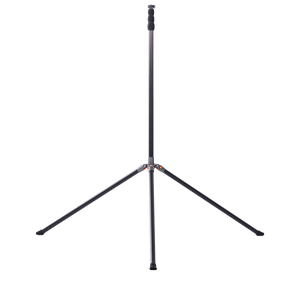
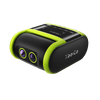
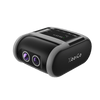
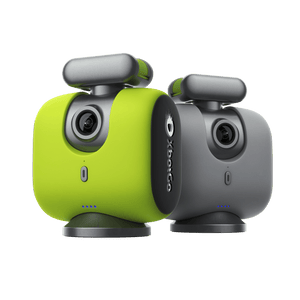
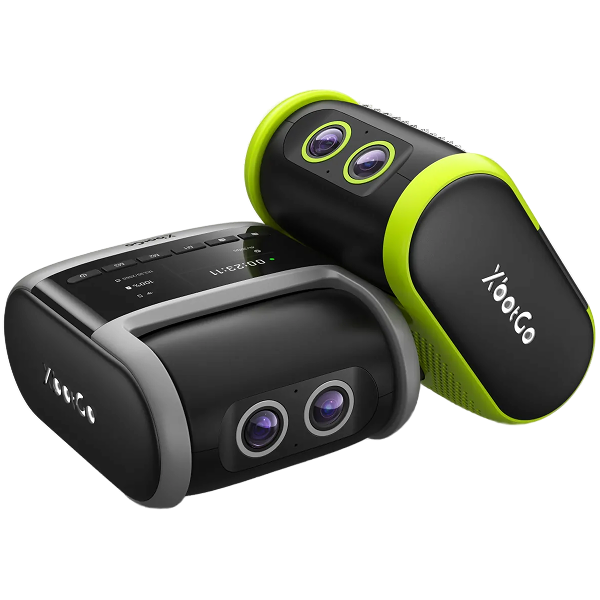
The XbotGo Falcon is built for this kind of solo training. It’s a standalone 4K AI camera that tracks your shooting motion automatically and generates training highlights from your session — no filming partner needed. If you’re doing consistent free throw work and want to catch form breakdowns rep by rep, it might be worth a look.

Common Mistakes Decoded
Most free throw misses come down to one of four errors:
- Missing left or right — Elbow flared on the shooting side, or guide hand pushing the ball off-center at release
- Short shots — Knee bend missing, shot pocket too high, or the release cut short before full arm extension
- Hard rim hits — Ball released from the palm instead of the fingertips; no backspin to soften the landing
- Inconsistency from shot to shot — Rushing the routine or stepping to a different spot each time
Consistent misses are actually useful information. Always missing left means a consistent error — which is fixable. Random misses point to an inconsistent routine or stance, which means going back to basics first.
FAQ
How many free throws should I practice per session?
Aim for 50–100 reps with correct form. Volume without good mechanics just grooves bad habits. Quality first, quantity second.
Should I jump during a free throw?
Most coaches recommend keeping your feet on the ground. Removing the jump eliminates one variable and makes your motion more repeatable. Generate power from your knees instead.
What’s a good free throw percentage for high school players?
Above 70% is solid. College-level shooters typically land between 70–80%. Focus on week-to-week consistency rather than chasing a specific number early on. Stephen Curry shot 93.3% in 2024-25 — but he’s been drilling the same routine for over two decades.
The Bottom Line
A reliable basketball free throw comes down to three things: mechanics drilled until they’re automatic, a routine you never skip, and practice conditions that match what you’ll face in a real game. Fix your stance, tuck your elbow, build backspin, and train tired. The percentage will follow.