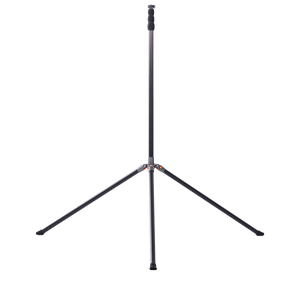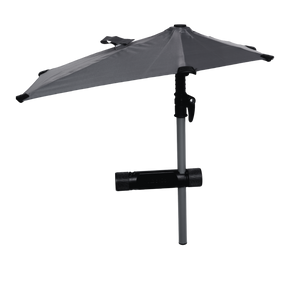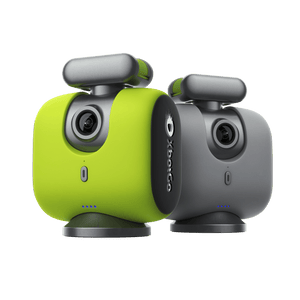


XbotGo Falcon

How to Do a Crossover Dribble: Technique, Drills, and Mistakes to Avoid
The crossover dribble is the move every basketball player wants to master. But a crossover that actually beats a defender is built on timing and misdirection — not just switching hands.
What Makes a Crossover Dribble Work
A crossover is not about the ball. It’s about the defender.
Visual research shows that roughly 80% of situational information in basketball is conveyed visually. Defenders track your hips, not your hands — which means your head, shoulders, and body language are constantly feeding them data.
A great crossover creates a lie. You commit one direction, wait for the defender’s weight to shift, then send the ball the other way and attack. That’s why Allen Iverson’s crossover was so hard to stop: perfect timing and an unreadable sell job that made defenders think they knew where he was going.

How to Do a Crossover Dribble, Step by Step
Here’s the full sequence. Work through each piece before stringing them together.
1. Athletic stance. Feet shoulder-width or wider, knees bent, weight on the balls of your feet. A wide stance lowers your hands naturally — keeping the dribble low becomes much easier.
2. Set up with rhythm dribbles. Take 1–2 dribbles to establish tempo. Read the defender’s feet. When they plant or shift their weight, that’s your window. Don’t look the same direction before every crossover.
3. Sell the fake. Lean convincingly in the fake direction, drop your shoulder, tilt your head. The fake is slow and deliberate. The crossover that follows is fast and explosive.

4. Plant and push off. Plant your outside foot (same side as your dribbling hand) and drive hard in the new direction. The bigger the push, the more ground you cover.
5. Transfer low and tight. Snap the ball across just below knee height. Palm at 45 degrees, wrist and fingertips doing the work. Low, tight, quick.
6. Accelerate immediately. The first two steps after the cross are everything. If you hesitate, you’ve wasted the move.
3 Common Crossover Mistakes (and How to Fix Them)
Most players make the same errors. Here’s what to watch for.
Mistake 1: Too high, or too far in front. A high crossover hangs in the air too long and travels through a defender’s reach zone. Crossing too far in front creates the same problem — the ball travels a longer path and defenders have time to reach it. Fix: Keep the ball below your knees and tight to your body. The crossover is a short, direct snap — not a wide arc.
Mistake 2: Switching hands without changing direction. A crossover that doesn’t move your body isn’t a crossover. It’s just a hand switch. The defender barely has to adjust. Fix: Focus on the foot plant and push-off. The feet generate the direction change; the ball switch happens simultaneously.
Mistake 3: Stopping after the cross. Some players pull off the crossover, then pause to see what happens. The defender recovers. The moment is gone. Fix: Make acceleration a habit. In every drill, the crossover ends with an explosive burst in the new direction. No exceptions.

Crossover Variations Worth Knowing
In-and-Out Dribble. A fake crossover — your hand rolls from outside to inside the ball without switching hands. If the defender bites, attack immediately. It’s the most deceptive option in a tight situation.
Double Crossover. If the defender cuts off your first crossover, immediately cross back and attack the opposite lane. Two direction changes in quick succession regularly catches defenders mid-step.

4 Drills to Build Your Crossover
Work through these in order. The progression matters.
Drill 1 — Single-hand stationary (30 sec each hand). Pound the ball below your knees, eyes up. No crossover yet. This builds the wrist control that makes clean crossovers possible. Most players skip it. It shows.
Drill 2 — Stationary crossover. Imagine an X on the floor between your feet — widely shared as the clearest mental model for understanding where the ball should land. Two dribbles each hand, then cross. Progress to continuous crossovers with no rhythm dribbles between.
Drill 3 — Cone zigzag. 4–6 cones, 3 feet apart. Crossover at each cone, plant the outside foot, drive through hard. Cover real lateral ground — not just a small shuffle.
Drill 4 — Full-court at game speed. Crossovers every 3–4 dribbles, full pace. Imagine a defender contesting every move. If you practice sloppy, you’ll play sloppy.
Coaches at competitive programs now use video analysis specifically to catch what players can’t feel — dribble height, arc width, footwork gaps. The XbotGo Falcon tracks movement automatically so you can review your sessions without needing someone on the camera.

How to Make Your Crossover Work in a Game
Your crossover won’t work against a set, balanced defender. You have to earn the opportunity first.
Read the hips. A defender’s hips don’t lie. When their weight shifts, that’s your trigger. As one experienced player put it: “Don’t force the crossover; look for the natural moment when the defender is most vulnerable.”
Vary your timing. Speed up, slow down, hesitate. The most effective crossovers tend to happen on odd dribbles — the 1st, 3rd, or 5th — which makes the timing harder to read.
Mix in In-and-Outs first. Get the defender to bite on the fake, and the real crossover will go through clean.
A well-timed crossover also creates a psychological edge — even the threat of it opens driving lanes and pull-ups you wouldn’t otherwise get.
Getting There Takes Reps
Research tracking youth players over multiple seasons found dribbling improvement was consistent — but only in those who trained with structure and intent. Early skill level barely predicted later performance.
Low, tight, quick. Build from there.