

 Chameleon


 Fútbol
 Baloncesto
 Hockey sobre hielo
 Lacrosse
 Fútbol americano
 Balonmano
 Padres


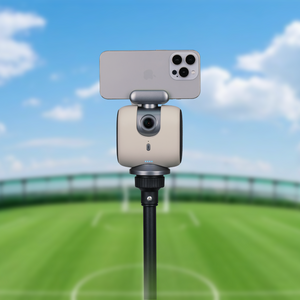
Cámara deportiva con IA XbotGo Chameleon
Tiro libre directo vs indirecto en fútbol: la guía completa
The referee blows the whistle, points to a spot just outside the penalty area, and the defending team scrambles to form a wall. But wait—the referee's arm shoots straight up in the air. What does this mean? If you've ever found yourself confused about whether a free kick is direct or indirect, you're not alone. Understanding these fundamental soccer rules can transform how you watch, play, or coach the beautiful game.
The Fundamental Difference: Direct vs Indirect Free Kicks
At its core, the distinction between direct and indirect free kicks is beautifully simple, yet it carries profound implications for how the game unfolds. A direct free kick allows the kicker to shoot directly at goal and score without the ball touching another player. Think of it as soccer's way of saying, "You fouled badly enough that your opponent deserves a clear shot at redemption."
An indirect free kick, on the other hand, requires the ball to touch another player—whether teammate or opponent—before a goal can be scored. It's soccer's gentler punishment for less severe infractions, essentially saying, "You broke a rule, but it wasn't dangerous enough to warrant a direct scoring opportunity."
The beauty of this system lies in its balance. Physical, dangerous fouls that could harm players result in direct kicks, while technical violations that merely disrupt the flow of play lead to indirect kicks. This graduated response system helps referees maintain control while keeping the game fair and safe.
Direct Free Kick Rules & Common Scenarios
Direct free kicks are awarded for what many coaches call the "meat and potatoes" fouls—the physical infractions that form the backbone of soccer's disciplinary system. Understanding when these are called helps players avoid costly mistakes and helps coaches prepare their teams effectively.
When Direct Free Kicks Are Awarded
The laws of the game specify that direct free kicks result from fouls committed in a manner the referee considers careless, reckless, or using excessive force. These include:
Physical Contact Fouls:
- Kicking or attempting to kick an opponent
- Tripping or attempting to trip
- Jumping at an opponent dangerously
- Charging an opponent
- Striking or attempting to strike (including headbutts)
- Pushing an opponent
- Making a tackle that contacts the opponent before the ball
Other Direct Kick Offenses:
- Holding an opponent
- Escupir a alguien
- Deliberate handball (except goalkeepers in their penalty area)
Real-World Examples
Consider a typical scenario: A defender, beaten by pace, reaches out and grabs an attacker's jersey to prevent a breakaway. This holding offense immediately results in a direct free kick. Or picture a midfielder who, in desperation, uses their hand to control a difficult ball—instant direct free kick for handball.
The location matters immensely. If any of these fouls occur inside the penalty area, that direct free kick transforms into a penalty kick—soccer's most pressure-packed moment. This escalation reflects the increased danger and scoring opportunity denied by fouling in such a critical area.
Strategic Implications
Teams often practice specific routines for direct free kicks in various zones. Close to goal, specialists like past masters David Beckham or current stars like James Ward-Prowse can strike directly, forcing goalkeepers into spectacular saves. From wider angles or greater distances, teams might opt for crosses or clever set plays, but the option to shoot directly always keeps defenses honest.
Indirect Free Kick Rules & Common Scenarios
Indirect free kicks represent soccer's technical side—the chess moves that maintain the game's flow and structure. While they may seem less dramatic than their direct counterparts, understanding indirect kicks reveals the sport's tactical depth.
When Indirect Free Kicks Are Awarded
Indirect free kicks arise from technical infractions and non-contact fouls that disrupt play without endangering opponents:
Common Indirect Kick Offenses:
- Offside violations
- Dangerous play without contact (like a high boot near an opponent's head)
- Impeding an opponent without contact
- Dissent, offensive language, or verbal offenses
- Time-wasting by the goalkeeper
Goalkeeper-Specific Violations:
- Handling a deliberate back-pass from a teammate
- Handling the ball after receiving it directly from a teammate's throw-in
- Holding the ball for more than six seconds
- Touching the ball with hands after releasing it, before another player touches it
The Back-Pass Rule: A Game Changer
Perhaps no indirect free kick scenario confuses players more than the back-pass rule. Introduced in 1992 to prevent time-wasting, this rule states that goalkeepers cannot handle the ball when deliberately kicked to them by a teammate. The key word is "deliberately"—a deflection or miskicked clearance that goes to the keeper can still be handled.
This rule fundamentally changed soccer tactics. Defenders must now be confident with their feet, and goalkeepers need outfield skills. When violated, the indirect free kick is taken from where the goalkeeper touched the ball, creating chaos as attacking players crowd the six-yard box while defenders pack the goal line.
Tactical Considerations
Indirect free kicks inside the penalty area create some of soccer's most frantic moments. With defenders allowed to stand on the goal line (less than 10 yards away), attackers must be creative. Common tactics include:
- A simple tap to a teammate for a shot
- Trying to catch defenders off guard with quick execution
- Shooting low under jumping defenders
- Creating confusion with multiple runners
Referee Signals You Need to Know
Understanding referee signals transforms you from a casual observer to an informed participant. These visual cues provide instant clarity about what's happening and what's coming next.
The Direct Free Kick Signal
When awarding a direct free kick, the referee:
- Blows the whistle (usually firmly for clear fouls)
- Points an arm horizontally toward the goal the attacking team is targeting
- May indicate the spot of the foul if necessary
The referee doesn't need to maintain this arm position—once indicated, everyone knows it's a direct kick. This quick, decisive signal reflects the clear-cut nature of most direct kick fouls.
The Indirect Free Kick Signal
For indirect free kicks, the referee:
- Blows the whistle
- Points toward the attacking goal initially
- Raises one arm straight up vertically
- Crucially, maintains this raised arm until the ball touches a second player
This sustained signal serves as a constant reminder that direct shots won't count. It's particularly helpful for goalkeepers, who can position themselves differently knowing they only need to worry about shots after another touch.
Quick Recognition Tips
Experienced players develop peripheral awareness of referee signals. They'll glimpse the raised arm and immediately adjust their approach. Defenders might play more aggressively, knowing a direct shot isn't possible. Attackers start scanning for the best passing option rather than preparing to shoot.
Strategic Implications for Teams
Smart teams leverage their understanding of free kick rules to gain competitive advantages. This knowledge influences everything from defensive positioning to attacking patterns.
Defensive Strategies
Defenders who understand the distinction between direct and indirect fouls can make split-second decisions more effectively. Sometimes, conceding an indirect free kick by impeding an attacker (without contact) in a dangerous area is preferable to risking a direct free kick opportunity through physical contact.
Teams also train specific defensive setups for each scenario. Direct free kicks near goal require sturdy walls and goalkeeper positioning that accounts for both shots and crosses. Indirect free kicks, especially in the box, demand disciplined line defense and quick reactions to second balls.
The Mental Game
Understanding these rules also provides psychological advantages. Players who know they're facing an indirect free kick defend more confidently. Attackers who recognize a direct free kick opportunity can put immediate pressure on nervous defensive walls. This knowledge breeds confidence, and confidence often determines outcomes in crucial moments.
Training Tips for Better Understanding
Knowledge becomes mastery through practice. Here are proven methods for ingraining these concepts:
For Players
- Situation Training: Practice recognizing scenarios quickly. Have coaches call out situations, and players must immediately identify whether it would result in a direct or indirect kick.
- Referee Signal Drills: Include referee signals in regular training. Players should practice glancing at the referee while maintaining game awareness.
- Set Piece Rehearsal: Dedicate time to both attacking and defending various free kick scenarios. Muscle memory developed in training appears in matches.
For Coaches
- Video Review Sessions: Use match footage to highlight different free kick situations. Pause at the moment of the foul and quiz players on what should be awarded.
- Small-Sided Games with Rule Emphasis: Create training games where specific fouls result in exaggerated consequences, helping players internalize the differences.
- Referee Communication: Invite local referees to training sessions to explain their decision-making process. This insider perspective proves invaluable.
For Parents and Fans
Understanding these rules enhances enjoyment and reduces frustration. Next time you're watching a match:
- Watch the Referee: Focus on referee positioning and signals rather than just following the ball
- Predict the Call: Try to anticipate whether a foul will result in a direct or indirect kick
- Explain to Others: Teaching these concepts to fellow spectators reinforces your own understanding
Quick Reference Guide
For those moments when you need clarity fast, here's your at-a-glance guide:
Direct Free Kick (Arm pointed horizontally):
- Physical contact fouls
- Balonmano
- Conducta violenta
- Can score directly
Indirect Free Kick (Arm raised vertically):
- Technical violations
- Offside
- Goalkeeper handling violations
- Non-contact dangerous play
- Must touch another player before scoring
Remember: If it's physical and dangerous, it's likely direct. If it's technical or procedural, it's probably indirect.
Conclusión
Remember, soccer's beauty lies not just in spectacular goals or flowing moves, but in the intricate framework of rules that create fair, competitive, and safe environments for magic to happen. Direct and indirect free kicks are threads in this rich tapestry, each serving its purpose in maintaining the game we love.
So get out there, apply this knowledge, and watch how understanding these fundamentals transforms your soccer experience. Whether you're playing, coaching, or cheering from the stands, you're now equipped with insights that reveal new layers of the beautiful game's tactical depth.

Cámara deportiva con IA XbotGo Chameleon
Captura cada momento con el seguimiento basado en inteligencia artificial. Perfecto para entrenadores, padres y deportistas que desean obtener imágenes perfectas sin necesidad de grabar manualmente.