

XbotGo Falcon

La historia del Mundial de la FIFA: Cómo se convirtió en un evento global
La historia del Mundial de la FIFA comienza con una idea atrevida y un largo viaje en barco. En 1930, solo 13 naciones cruzaron océanos para competir en el primer campeonato internacional de fútbol de la historia. Hoy en día, el Mundial es el evento deportivo más visto del planeta: 5,000 millones de personas lo sintonizaron durante Qatar 2022. Así es como llegamos desde aquel inicio hasta el presente.

Cómo empezó todo: Uruguay 1930
El presidente de la FIFA, Jules Rimet, tenía un objetivo: crear un campeonato mundial de fútbol. En 1928, la FIFA aceptó la propuesta y Uruguay, que era el actual campeón olímpico, fue elegido como sede.
En aquel entonces no existían los partidos de clasificación; simplemente se invitó a todas las naciones afiliadas a la FIFA, pero solo acudieron 13. La mayoría de los países europeos se negaron a realizar el costoso viaje transatlántico en barco. Egipto iba a ser el único participante africano, pero una tormenta retrasó su barco y nunca llegaron.
El 13 de julio de 1930, Francia venció a México 4–1 en el partido inaugural del torneo. Lucien Laurent marcó el primer gol en la historia de los Mundiales en el minuto 19, un récord que nadie podrá quitarle jamás. Uruguay ganó la final contra Argentina por 4–2 ante 68,346 aficionados.
Un dato que casi nadie menciona: India se clasificó para el Mundial de 1950, pero se retiró cuando la FIFA se negó a dejarlos jugar descalzos. Tradicionalmente, los jugadores indios competían sin botas de fútbol. Esa única regla acabó con la única oportunidad de India en un Mundial durante décadas.
Boicots, Guerra Mundial y un vacío de 12 años
Los primeros Mundiales fueron complicados. Uruguay se negó a participar en las ediciones de 1934 y 1938 como "venganza" hacia los países europeos que no quisieron viajar al Mundial de 1930 en Uruguay. La tensión entre continentes era real y muy personal.
Después, la Segunda Guerra Mundial obligó a cancelar los torneos de 1942 y 1946. El fútbol se tomó un descanso de 12 años.
El Mundial de 1950 en Brasil dejó lo que muchos consideran la mayor sorpresa de la historia del deporte. En el partido decisivo, Uruguay venció a Brasil por 2–1 en el Maracaná ante 173.850 espectadores, una cifra que sigue siendo el récord de asistencia en un partido de los Mundiales. El silencio que inundó Río de Janeiro esa noche todavía se recuerda. Los brasileños lo llaman simplemente “el Maracanazo”.
Cuatro años más tarde, Suiza 1954 se convirtió en el Mundial con más goles de la historia: un promedio de 5,38 goles por partido. Esa cifra no se ha superado en más de 70 años. En la final, una selección alemana casi amateur remontó un 2–0 para ganar 3–2 a los invictos "Magiares Mágicos" de Hungría. El “Milagro de Berna” sigue siendo una de las remontadas más legendarias del deporte.

Momentos icónicos e historias más extrañas que la ficción
El Mundial de 1986 en México nos dejó la tarde más increíble de Diego Maradona. En un solo partido de cuartos de final contra Inglaterra, marcó dos de los goles más comentados de la historia del fútbol. Primero, la "Mano de Dios": un descarado golpe con el puño que el árbitro no vio en absoluto. Luego, cuatro minutos después, una carrera en solitario desde su propio campo superando a cinco defensas, que la FIFA votó más tarde como el mejor gol de la historia.
En 2006, Zinedine Zidane le dio un cabezazo al defensa italiano Marco Materazzi en la final del Mundial cuando quedaban 10 minutos de la prórroga. Fue expulsado y Francia perdió en los penaltis. La imagen de Zidane pasando por delante del trofeo de camino al túnel de vestuarios es una de las fotos más famosas del fútbol.
El torneo siempre ha dejado historias más extrañas que cualquier guion de película. Durante el Mundial de 1930, el defensa rumano Alfred Feraru cayó gravemente enfermo en el viaje de vuelta desde Uruguay. Sus compañeros temieron lo peor. Al llegar a Bucarest, su madre organizó un velatorio en su honor, y el propio Feraru apareció en medio del funeral, vivito y coleando. Más tarde, compitió como patinador artístico en los Juegos Olímpicos de Invierno de 1936.

Récords que han durado décadas
Algunos números de los récords del Mundial son, sencillamente, difíciles de creer.
Just Fontaine marcó 13 goles para Francia en el Mundial de 1958, y lo hizo en solo seis partidos. Ese récord se ha mantenido durante 67 años. El alemán Miroslav Klose tiene la marca histórica con 16 goles en cuatro torneos. Kylian Mbappé, que marcó tres goles solo en la final de 2022, está ahora a solo cuatro goles de alcanzarlo.
-
El gol más rápido del Mundial: Hakan Şükür (Turquía), a los 11 segundos contra Corea del Sur en 2002.
-
Único jugador con tres medallas de campeón: Pelé (1958, 1962, 1970).
-
Primera tanda de penaltis: Alemania Occidental contra Francia en la semifinal de 1982; hasta entonces no se usaban los penaltis para decidir los partidos.
-
Ningún jugador ha marcado tres goles en una final del Mundial: Mbappé es el único que lo ha logrado recientemente (en 2022).
-
Brasil es la única selección que ha participado en los 22 Mundiales celebrados hasta 2022.

De 20 a 871 millones: El gran salto del fútbol
¿Sabías que en el Mundial de España 82 el premio total era de solo 20 millones de dólares? Para el 2026, esa cifra subirá hasta los 871 millones. ¡Es una locura cómo ha crecido el negocio!
Y no solo es el dinero, también es la gente. En el último Mundial, 1.500 millones de personas vieron la final entre Argentina y Francia. En total, más de 5.000 millones de personas siguieron el torneo, ¡mucho más que el doble que la Super Bowl!
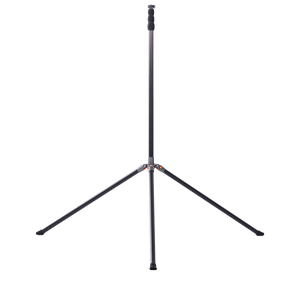
La tecnología ha cambiado la forma de ver y jugar al fútbol. Ahora, hasta los equipos más pequeños pueden usar herramientas profesionales. Por ejemplo, la XbotGo Falcon es una cámara inteligente que graba sola en 4K. Sigue a los jugadores automáticamente sin que nadie tenga que manejarla. Si entrenas a un equipo de barrio o juvenil y quieres vídeos de calidad sin complicaciones, tienes que probarla.

2026: El Mundial más grande de la historia
El próximo Mundial será único. Por primera vez, 48 países jugarán en tres sedes distintas: Estados Unidos, Canadá y México. ¡Y México será el primer país en organizar tres Mundiales!
Serán 104 partidos en 16 estadios diferentes. El equipo que gane se llevará un premio nunca visto. Mientras Messi y Cristiano se despiden, llegan los nuevos cracks: Mbappé, Bellingham y la joven estrella de España, Lamine Yamal. Todos los ojos estarán puestos en ellos.
Ha pasado casi un siglo desde que empezó el Mundial en Uruguay, y el torneo no para de crecer. Cambian los récords y las historias, pero la emoción de ver el fútbol cada cuatro años sigue siendo la misma de siempre.