

XbotGo Falcon

¿Cuántas divisiones de fútbol hay en España? (Explicación de los 10 niveles)

Las 5 divisiones nacionales de un vistazo
Las cinco categorías nacionales de España se estructuran de la siguiente manera:
|
Nivel |
División |
Nombre |
Clubes |
Estado |
|
1 |
Primera División |
LaLiga EA Sports |
20 |
Profesional |
|
2 |
Segunda División |
LaLiga Hypermotion |
22 |
Profesional |
|
3 |
Primera Federación |
Primera RFEF |
40 (2 grupos) |
Semiprofesional |
|
4 |
Segunda Federación |
Segunda RFEF |
90 (5 groups) |
Semi-professional |
|
5 |
Tercera Federación |
Tercera RFEF |
324 (18 grupos) |
Amateur |
Las dos primeras categorías están gestionadas por la Liga Nacional de Fútbol Profesional (LFP). Desde el tercer nivel hacia abajo, todo queda bajo el paraguas de la Real Federación Española de Fútbol (RFEF).
Solo dos categorías son completamente profesionales
LaLiga y la Segunda División son las únicas ligas de fútbol totalmente profesionales en España. Los jugadores de estos 42 clubes cuentan con contratos de trabajo completos y con todas las garantías legales que ofrece el deporte profesional.
A partir del tercer nivel, la mayoría de los clubes operan bajo un régimen semiprofesional o amateur. Muchos jugadores de Primera Federación compaginan el fútbol con otros trabajos. A medida que se desciende en la pirámide, el fútbol pasa de ser una carrera profesional a convertirse en una actividad comunitaria y social.
El impacto económico de mantenerse en LaLiga es gigantesco. La competición genera miles de millones de euros en derechos de televisión e ingresos comerciales cada temporada, repartidos entre sus 20 clubes. Caer a Segunda implica un recorte drástico de los ingresos; para los clubes de la zona media que no cuentan con el colchón financiero de las competiciones europeas, el descenso puede llegar a amenazar su propia existencia.
La reforma de 2021: por qué España remodeló su pirámide
Antes de 2021, la tercera categoría de España se llamaba Segunda División B. Contaba con cuatro grupos regionales y recibía constantes críticas: su estructura era confusa, las divisiones geográficas resultaban a menudo arbitrarias y el sistema de play-off para el ascenso era tan enrevesado que costaba seguirlo incluso a los aficionados más fieles.
La RFEF aprovechó el parón de la pandemia de la COVID-19 como una oportunidad para rediseñar todo el sistema. En 2021 se disolvió la Segunda B y se sustituyó por tres nuevas divisiones:
- Primera Federación — 40 clubes divididos en 2 grupos nacionales (nuevo Nivel 3)
- Segunda Federación — 90 clubes divididos en 5 grupos regionales (nuevo Nivel 4)
- Tercera Federación — 324 clubes divididos en 18 grupos regionales (nuevo Nivel 5)
La última temporada de la antigua Segunda B se disputó con 10 subgrupos para gestionar la logística de la pandemia: un cierre caótico antes de dar paso al nuevo formato. El objetivo declarado era lograr categorías más ordenadas, un mayor atractivo de cara a las retransmisiones televisivas y una tercera división auténticamente semiprofesional. Hoy en día, la mayoría de los analistas coinciden en que ha sido una mejora notable respecto al sistema anterior.

La paradoja del nombre de "Tercera"
He aquí un dato que confunde incluso a los aficionados más acérrimos al fútbol español: la Tercera División nunca ha sido, en realidad, la tercera división.
Durante la mayor parte de su historia, fue la cuarta categoría nacional, ya que la tercera era la antigua Segunda División B. A pesar de que "Tercera" hace referencia al número tres, el nombre se mantuvo durante décadas aunque no se correspondiera con su posición real en la pirámide.
Tras la reforma de 2021, la situación se volvió aún más curiosa: lo que era el cuarto nivel pasó a convertirse oficialmente en el quinto. La rebautizada Tercera Federación se sitúa ahora en el Nivel 5. El nombre dice "tercera", pero la realidad es que es la quinta.
Es una de esas peculiaridades que cobran sentido cuando conoces la historia, pero que resulta un auténtico rompecabezas para cualquiera que se acerque al fútbol español por primera vez. Un aficionado lo resumía perfectamente en un foro de debate de la época: "La mal llamada Tercera División es la 4ª división de la pirámide del fútbol español". Eso se escribió antes de 2021. Ahora es la quinta.
Por debajo de Tercera: las ligas regionales de España
Por debajo del Nivel 5, cada una de las 17 comunidades autónomas de España gestiona su propia pirámide territorial. Estas divisiones regionales suelen añadir entre tres y cinco niveles competitivos más.
Cataluña, por ejemplo, cuenta con cinco categorías adicionales por debajo de la Tercera Federación nacional: desde la Lliga Elit en el Nivel 6 hasta la Quarta Catalana en el Nivel 10 (esta última con 30 grupos diferentes). Esto significa que, solo en Cataluña, existen 10 niveles competitivos de fútbol.
La historia del Girona FC es el reflejo perfecto de lo que puede generar un sistema tan abierto. En 1982, el club gerundense jugaba en las categorías regionales catalanas, en torno al quinto nivel o incluso por debajo. Llegaron a pasar 18 temporadas consecutivas solo en Tercera División. Década a década, fueron superando cada escalón del sistema de ligas del fútbol español. En 2024, el equipo debutó en la UEFA Champions League. Una trayectoria que solo es posible porque el sistema de ascensos conecta el último eslabón de la base con la cima.

Cómo funcionan los ascensos y descensos
España aplica un sistema universal de ascensos y descensos en todas sus categorías: no existen las ligas cerradas ni las plazas permanentes.
En LaLiga, los tres últimos clasificados descienden a Segunda División.
En Segunda División, los dos primeros ascienden directamente. Los equipos que terminan entre el 3º y el 6º puesto disputan un play-off de eliminatorias a doble partido para conseguir el tercer billete de ascenso.
En el Nivel 3 (Primera Federación), los campeones de cada grupo ascienden directamente a Segunda. Las plazas de ascenso restantes se deciden mediante un play-off nacional entre los siguientes mejores clasificados. Los cinco últimos de cada grupo descienden al Nivel 4.
Este patrón se repite con ligeras variantes en cada escalón. No obstante, existe una regla fundamental: los equipos filiales (equipos B) no pueden competir en la misma categoría que su club principal. Si un filial se gana el derecho a ascender a una división en la que ya juega su primer equipo, la plaza pasa al siguiente clasificado de la tabla. Del mismo modo, si el primer equipo desciende a la categoría en la que compite su filial, este último es arrastrado automáticamente a la división inferior, independientemente de los resultados deportivos que haya obtenido.
Comparativa: España, Inglaterra y Alemania
|
País |
Categorías profesionales |
Profundidad total de la pirámide |
|
España |
2 |
~10 niveles |
|
Inglaterra |
4 |
Más de 10 niveles |
|
Alemania |
3 |
~13 niveles |
La profundidad de la pirámide española es muy similar a la inglesa, mientras que Alemania cuenta con más niveles en sus categorías de aficionados más bajas. Lo que hace destacar a España es la envergadura de su tercer nivel semiprofesional: la Primera Federación, con 40 clubes, es notablemente más grande que la National League inglesa (24 clubes) o la 3. Liga alemana (20 clubes).
España cuenta además con uno de los censos de clubes más elevados del fútbol europeo. Compiten más de 30.000 equipos en todas las categorías, una cifra que refleja tanto la pasión por este deporte en el país como el gran volumen de competiciones activas a nivel de fútbol base y amateur.
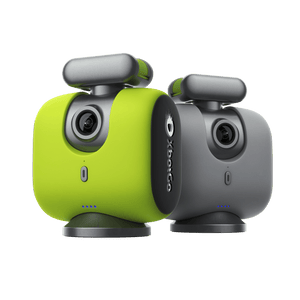
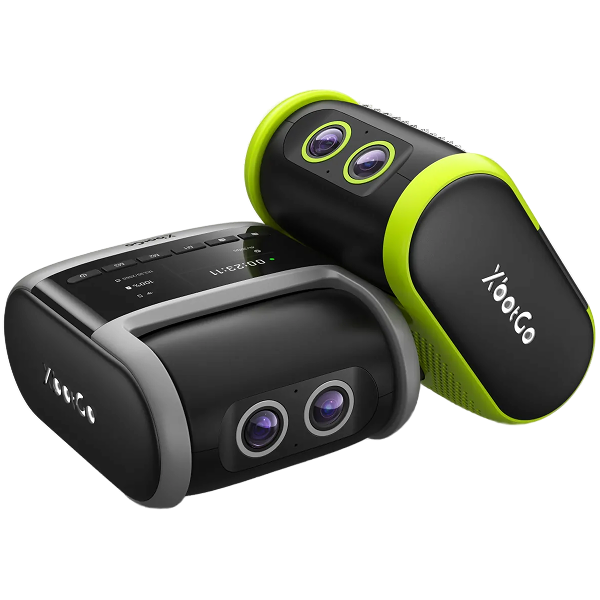
Para los clubes o entrenadores que compiten en estas categorías, grabar los partidos con calidad profesional se ha vuelto algo totalmente accesible. La XbotGo Falcon es una cámara de seguimiento inteligente 4K que funciona de forma autónoma, sin necesidad de operador. Solo hay que colocarla en la línea de banda y sigue el juego automáticamente. Es una opción excelente para cualquier club que necesite imágenes de calidad para analizar sus partidos sin el presupuesto que requiere contratar a un cámara para cada jornada.

Preguntas frecuentes (FAQ)
¿Cuántas divisiones tiene LaLiga?
LaLiga como tal es una única división: la máxima categoría del fútbol español, donde compiten 20 clubes en un grupo único nacional. A veces se utiliza de forma coloquial el término "LaLiga" para referirse al fútbol profesional en general, pero estrictamente solo hace referencia al Nivel 1.
¿Es profesional la Segunda División?
Sí. Tanto LaLiga como la Segunda División son ligas plenamente profesionales y están reguladas por la Liga Nacional de Fútbol Profesional (LFP). A partir del Nivel 3 (Primera Federación) hacia abajo, las categorías están gestionadas por la RFEF bajo un estatus semiprofesional o amateur.
¿Cuántos clubes de fútbol hay en España?
España cuenta con más de 30.000 clubes registrados, uno de los números más altos de toda Europa. Estos equipos están distribuidos por toda la pirámide, desde las estrellas de LaLiga hasta los clubes modestos de carácter local y regional.
En resumen
¿Cuántas divisiones de fútbol hay en España? A nivel nacional contamos con cinco: LaLiga, Segunda División, Primera Federación, Segunda Federación y Tercera Federación. Por debajo de ellas, cada comunidad autónoma despliega su propia red de ligas territoriales, elevando el total a cerca de 10 niveles de competición. Se trata de uno de los sistemas de fútbol más profundos y amplios del planeta, capaz de conectar a más de 1,2 millones de futbolistas en una estructura abierta donde cualquier equipo, por humilde que sea, tiene la oportunidad de ganarse su camino hacia la élite.