

 Chameleon


XbotGo Falcon

25 curiosidades del voleibol que te harán verlo con otros ojos
El voleibol parece sencillo: dos equipos, una red y un balón que no debe tocar el suelo. Sin embargo, tras esa aparente simplicidad se esconde un deporte con un origen de lo más curioso, reglas que desconciertan incluso a los fans más veteranos y récords que desafían la lógica. Estos 25 datos sobre el voleibol recorren desde su invención accidental hasta la física de un remate que te deja menos de medio segundo para reaccionar.

Cómo surgió el voleibol
1. En un principio se llamaba «Mintonette». En1895, William G. Morgan —director deportivo de la YMCA en Holyoke, Massachusetts— inventó un nuevo juego de interior para hombres de negocios de cierta edad a quienes el baloncesto les resultaba demasiado violento. Tomó prestadas ideas del tenis, el balonmano y el baloncesto, y luego tendió una red de tenis en el gimnasio. Lo llamó Mintonette.
2. El nombre cambió durante su primer partido público.Durante una demostración en el Springfield College en 1896, un espectador llamado Alfred Halstead se dio cuenta de que los jugadores se pasaban todo el partido lanzándose la pelota de un lado a otro por encima de la red. Sugirió el nombre de «voleibol», y así quedó. James Naismith, amigo de Morgan y inventor del baloncesto, se encontraba entre el público ese día.

3. El primer balón de voleibol era una cámara de aire de baloncesto.Al principio, nadie fabricaba balones específicos para este deporte. Los jugadores utilizaban la cámara de aire blanda de un balón de baloncesto. Funcionaba, pero era ligero y flotaba de forma impredecible. Spalding fabricó el primer balón de voleibol propiamente dicho hacia 1900, dotando al deporte de un balón con peso y control reales.
4. El remate no existió durante 21 años.El juego original de Morgan era tranquilo: una pelota que iba y venía por encima de una red. En 1916, los jugadores filipinos introdujeron el remate por encima de la cabeza, al que llamaban «Bomba». Esa única innovación convirtió el voleibol de un pasatiempo informal en el deporte rápido y explosivo que conocemos hoy en día.

Reglas que sorprenden incluso a los fans
5. Lo creas o no, usar el pie es totalmente legal.Muchos se sorprenden al saberlo, pero el reglamento permite tocar el balón con cualquier parte del cuerpo. Aunque las manos mandan, en una jugada al límite, un toque con el pie es totalmente válido.
6. Un bloqueo no cuenta como un toque.Cada equipo dispone de tres toques antes de enviar el balón al otro lado de la red. Sin embargo, un bloqueo en la red no se cuenta dentro de ese total. Si bloqueas un remate, tu equipo sigue disponiendo de los tres toques para preparar un ataque. Esta regla da lugar a algunas de las jugadas más emocionantes del voleibol.
7. El líbero solo tiene 28 años.La FIVB introdujo esta posición en 1998. Es un especialista defensivo que viste una camiseta de distinto color, puede sustituir libremente a cualquier jugador de la fila de atrás y tiene prohibido atacar por encima de la red. Antes de 1998, no existía este rol, y su aparición cambió la estrategia defensiva de la noche a la mañana.
8. El sistema de puntuación era totalmente distinto.Hasta 1999, solo el equipo que sacaba podía sumar puntos (el sistema de «cambio de saque»). Esto hacía que los partidos se alargaran durante horas. El sistema de Rally Point —un punto en cada jugada— solucionó el problema y convirtió al voleibol en un deporte mucho más atractivo para la televisión.
9. La regla de los tres toques no siempre existió.En el juego original de Morgan, no había límite de contactos; los equipos podían pasarse el balón tantas veces como quisieran. La regla de los tres toques llegó en 1920, obligando a desarrollar la secuencia estratégica de «recepción-colocación-ataque» que define al voleibol moderno.

Discos que parecen inventados
10. El saque más rápido alcanzó los 134 km/h.El polaco Wilfredo León lanzó un servicio a esta velocidad durante la Liga de Naciones de 2021; es decir, más rápido que el límite de velocidad en las autopistas de la mayoría de los países. Los defensores apenas tuvieron una fracción de segundo para leer, reaccionar y recibir.
11. Los jugadores saltan unas 300 veces por partido.Entre bloqueos, remates y pases en salto, las piernas de un jugador de voleibol nunca descansan. Según estudios sobre el rendimiento en el salto, los atacantes externos y los centrales realizan una media de entre 12 y 23 saltos por set.
12. El rally más largo duró 217 toques.En 2016, dos equipos estadounidenses mantuvieron un solo intercambio vivo durante más de cinco minutos, completando 217 contactos consecutivos sin que el balón tocara el suelo. Para que te hagas una idea, la mayoría de los rallies competitivos duran entre 5 y 8 toques en total.
13. Un partido de voleibol congregó a 92.003 aficionados. El 30 de agosto de 2023, la Universidad de Nebraska celebró el "Día del Voleibol" en el Memorial Stadium. Las Huskers vencieron a Omaha ante 92.003 espectadores, estableciendo un récord mundial para el deporte femenino. El récord anterior de la NCAA era de apenas 18.755.
14. El partido más largo de la historia duró más de 85 horas. En los Países Bajos, en 2014, un grupo de jugadores mantuvo un partido activo durante 85 horas y 30 minutos seguidos. Eso equivale a más de tres días y medio de voleibol ininterrumpido.
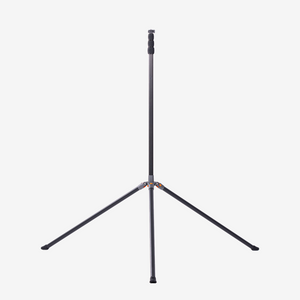
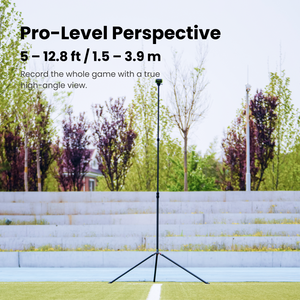
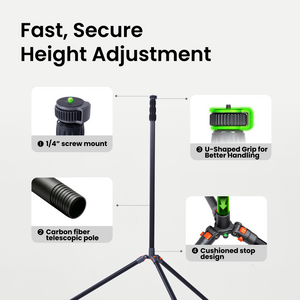
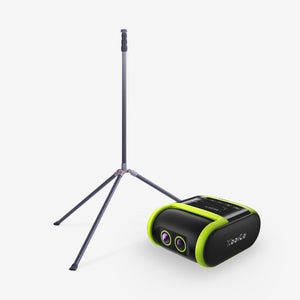
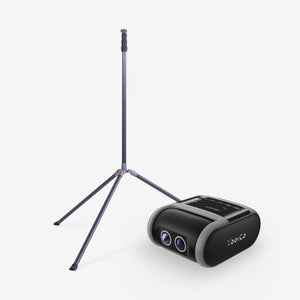
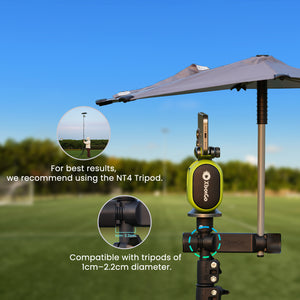
Si grabas tus partidos para mejorar o para crear tus highlights, tienes que conocer la XbotGo Falcon. Es una cámara IA 4K que sigue el juego por ti: la pones en un trípode, le das a grabar y ella sola sigue el balón y a los jugadores. ¡No hace falta que nadie la maneje!

15. El remate más alto alcanzó los 3,83 metros El jugador cubano Leonel Marshall hizo contacto con el balón a una altura de 3,83 metros, lo que equivale aproximadamente a la altura del techo de una habitación estándar. A esa altitud, los bloqueadores simplemente no tienen ninguna posibilidad.

Jugadores que hicieron historia
16. Karch Kiraly ganó el oro en pista y en playa. Es el único en lograrlo. Ganó con el equipo de EE. UU. en 1984 y 1988 (sala), y luego en 1996 (vóley playa). Después, fue un exitoso entrenador del equipo nacional femenino.
17. Una pareja invencible en la playa.Misty May-Treanor y Kerri Walsh Jennings ganaron tres oros olímpicos seguidos (2004, 2008 y 2012). En esos tres Juegos Olímpicos, ¡solo perdieron un set en total!
18. El jugador profesional más alto mide 2,18 m.El ruso Dmitriy Muserskiy mide 2,18 m y usa su altura para rematar desde arriba. Pero el más alto registrado es Wuttichai Suksara, de Tailandia, con 2,23 m.
19. El jugador profesional más bajo mide 1,60 m.El japonés Yuki Ishikawa demuestra que el voleibol no es solo para gigantes. Con su 1,60 m, lo compensa con una velocidad increíble y un control del balón envidiable; es la prueba de que el talento supera a la estatura.

El voleibol en todo el mundo
20. La FIVB tiene más países miembros que la FIFA.La federación internacional de voleibol cuenta con más de 220 países miembros, más que el organismo rector del fútbol. En cuanto a alcance organizativo, el voleibol es el deporte con mayor presencia global del planeta.
21. Los soldados estadounidenses lo difundieron por todo el mundo.La expansión mundial del voleibol se aceleró durante la Segunda Guerra Mundial. Las tropas estadounidenses dieron a conocer este deporte en Alemania, Italia, Japón y docenas de países más durante la década de 1940. Muchas de esas naciones cuentan hoy en día con equipos de talla mundial.
22. El voleibol sobre nieve es un deporte de competición en toda regla.Se juega sobre nieve en equipos de tres jugadores, está regulado por la Confederación Europea de Voleibol y tiene serias aspiraciones de ser incluido en los Juegos Olímpicos de Invierno. La cancha es más pequeña, el balón es ligeramente diferente y el terreno de juego supone un reto totalmente nuevo.
23. El voleibol sentado es una disciplina estrella de los Juegos Paralímpicos.Creado en 1956 para soldados holandeses heridos, el voleibol sentado se juega con una red más baja y una cancha más pequeña. Los jugadores deben mantener la pelvis en el suelo durante el contacto. Se convirtió en deporte paralímpico en 1980 y se ha convertido en una de las pruebas más reñidas de los Juegos.

Por qué el voleibol es más difícil de lo que parece
24. Un remate potente te da menos de medio segundo para reaccionar.A más de 130 km/h, la pelota cruza la pista antes de que la mayoría de la gente pueda pestañear dos veces. Los defensores se basan en la anticipación, interpretando el ángulo del brazo y la posición corporal del rematador incluso antes de que se produzca el contacto. Los tiempos de reacción de los profesionales son inferiores a 0,3 segundos.
25. Ningún jugador puede marcar un punto por sí solo.A diferencia del baloncesto, el fútbol o el tenis, el voleibol hace que las hazañas individuales sean estructuralmente imposibles. El límite de tres toques significa que cada punto requiere al menos dos jugadores que actúen en secuencia: un pasador, un colocador y un rematador. Un jugador con el talento de LeBron James no podría llevar a un equipo de voleibol a la victoria. Este deporte exige coordinación por encima de la brillantez individual, razón por la cual los entrenadores suelen describir al colocador como un quarterback y al equipo como una sola unidad que se mueve al unísono.
El voleibol se encuentra en una situación peculiar. Es el segundo deporte más popular del mundo en cuanto a número de practicantes —con unos 800 millones de jugadores en más de 200 países—, pero recibe una atención mediática muy inferior a la de deportes menos practicados. Estos 25 datos apenas rozan la superficie de un deporte que premia el trabajo en equipo, la explosividad y la capacidad de reacción en fracciones de segundo como ningún otro en el mundo.

XbotGo Chameleon - Cámara deportiva con IA
Captura cada momento con el seguimiento basado en inteligencia artificial. Perfecto para entrenadores, padres y deportistas que desean obtener imágenes perfectas sin necesidad de grabar manualmente.