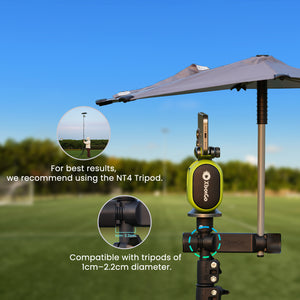


 Chameleon


XbotGo Falcon

Términos de voleibol: más de 50 palabras imprescindibles que debes conocer
El voleibol es uno de los deportes que más rápido está creciendo en el mundo: lo practican más de 800 millones de personas en todo el mundo, y la participación en institutos de Estados Unidos alcanzó un récord histórico en la temporada 2024-25. Pero si eres nuevo en este deporte, la jerga puede parecerte un idioma extranjero. Tu entrenador grita «5-1», tu compañero de equipo grita «balón libre» y a alguien le acaban de hacer un «shank».
Este glosario recoge los términos que realmente escucharás, ordenados según lo que describen, y no solo por orden alfabético. Si te los aprendes, entenderás el juego más rápido.
Puestos
Cada equipo cuenta con seis jugadores. A continuación te explicamos quién hace qué.
Paseador— El creador de juego. Recibe el segundo pase y se lo entrega a los atacantes. Piensa en esta persona como el base que dirige el ataque.
Atacante exterior: el principal atacante del equipo. Ataca desde el lado izquierdo de la red. Suele ser el jugador más completo, ya que debe pasar, rematar y defender.
Central— Suele ser el jugador más alto de la cancha. Su función consiste en bloquear en la red y lanzar ataques rápidos que sorprendan al rival.
Opuesto (atacante por la derecha)— Ataca desde el lado derecho y suele actuar como colocador suplente. Si el colocador recibe el primer pase, el opuesto realiza el segundo toque.
Libero: lleva una camiseta de otro color. Juega únicamente en la línea de fondo y no puede sacar, bloquear ni atacar por encima de la altura de la red. Puede sustituir libremente a cualquier jugador de la línea de fondo sin que ello cuente para el límite de sustituciones. Fue introducido en el voleibol internacional en la temporada 1998-99 por la FIVBpara otorgar un papel más destacado a los especialistas defensivos.
Especialista defensivo (DS): similar al líbero, pero con menos restricciones. Un DS puedesacar y ocupa una plaza de sustitución normal. Muchos equipos cuentan con uno o dos, además del líbero.
Una confusión habitual: la gente cree que el líbero y el DS son la misma posición. No es así. Las sustituciones del líbero son libres e ilimitadas; las del DS cuentan para el límite de sustituciones por set de tu equipo.

Zonas y líneas de la pista
Línea de ataque (línea de 3 metros)— La línea situada a 3 metros de la red a cada lado. Los jugadores de la línea de fondo deben saltar desde detrás de esta línea antes de tocar el balón por encima de la altura de la red.
Center Line — The line under the net dividing both teams’ courts. Crossing it is a violation (with some exceptions for hands and feet).
Zonas 1-6: las posiciones de rotación numeradas en la cancha. La zona 1 es la posición de lateral derecho, donde se coloca el servidor. Los jugadores rotan en el sentido de las agujas del reloj tras ganar un saque. Saber cuál es tu zona es fundamental para comprender la rotación.
Antenas: las dos varillas verticales fijadas a los bordes de la red en las líneas laterales. Para que el balón esté en juego, debe pasar entre las antenas. Algunos jugadores las llaman «pines».
Plazos de servicio
Ace: un saque que el equipo receptor no puede devolver ni controlar. El equipo que saca gana el punto inmediatamente.
Float Serve (Floater) — A serve with no spin. The ball moves unpredictably in flight — dipping, drifting, or cutting — making it hard to pass cleanly. The unpredictability is the entire point.
Saque en salto: el servidor lanza el balón hacia arriba, salta y lo golpea como si fuera un remate. Genera más velocidad y efecto liftado que un saque de pie.
Falta de pie: cuando el servidor pisa o cruza la línea de fondo durante el servicio. Punto inmediato para el equipo contrario.
Service Error — Any illegal or out-of-bounds serve: hitting the net without crossing, landing out of bounds, foot fault, or hitting an antenna.

Pases y recepciones
Pase (pase con los antebrazos)— El primer toque. Los dos antebrazos unidos (la «plataforma») desvían un saque o un ataque hacia el colocador. La base de cada intercambio.
Plataforma: la superficie plana que se forma al unir ambos antebrazos. Orienta la plataforma hacia el objetivo; no intentes golpear la pelota con un movimiento de balanceo.
Defensa— Un pase defensivo ante un ataque contundente. Los jugadores suelen lanzarse al suelo, estirarse o agacharse para mantener el balón en juego. A diferencia de un bloqueo, una defensa cuenta como uno de los tres toques de tu equipo.
Bola libre: cuando el rival no puede atacar y envía el balón con un pase suave y sencillo en lugar de un remate. Tu equipo grita «bola libre» para dar la señal de iniciar el ataque.
Golpe raso: un ataque sin salto, normalmente porque el pase del rival está demasiado lejos de la red. Los defensores lo consideran menos peligroso que un remate completo y ajustan su posición en consecuencia.
Tiro fallido— Cuando un pase se desvía totalmente de su objetivo: sale disparado hacia las gradas, rebota en un compañero o sale fuera del campo. A todos nos pasa de vez en cuando. Son cosas que pasan.
Condiciones de uso
Saque— El segundo toque. El colocador utiliza las yemas de los dedos (por encima de la cabeza) para colocar el balón con precisión para que lo remate un atacante. La misma palabra también se refiere a una unidad de puntuación de un partido (el primer equipo en alcanzar los 25 puntos gana un «set»).
Pase por detrás— Pase realizado por detrás de la cabeza del colocador hacia un atacante situado en el lado opuesto al que mira el colocador. Un buen pase por detrás es engañoso, ya que los bloqueadores no pueden anticiparlo fácilmente.
Pase rápido (1 balón): un pase rápido y bajo dirigido directamente por encima de la red hacia el bloqueador central. El atacante ya se encuentra en pleno salto antes de que el colocador suelte el balón. Diseñado para adelantarse al bloqueo.
Dump: cuando el colocador sorprende a la defensa atacando el balón en el segundo toque en lugar de colocarlo. Resulta eficaz cuando los bloqueadores del equipo contrario no se lo esperan.
En el sistema: cuando todos los jugadores están en sus posiciones correctas y el balón circula con fluidez a través de pase → colocación → ataque. A los entrenadores les encanta esta frase.
Fuera del sistema: cuando un pase fallido o una jugada inesperada obliga al equipo a improvisar. Es posible que el colocador tenga que correr para recuperar un pase desviado; los atacantes se adaptan sobre la marcha.

Términos de ataque
Spike / Kill — An overhead attack directed into the opponent’s court. A “kill” is specifically any attack that results directly in a point (the ball hits the floor or cannot be returned).
Acercamiento: la secuencia de pasos (3 o 4) que da un bateador antes de saltar. Un buen acercamiento permite acumular fuerza para el salto y coloca el movimiento del brazo de manera que se consiga el máximo impacto.
Lanzamiento en línea: un ataque que se dirige directamente por la línea lateral del rival. Resulta eficaz cuando los defensores se agolpan en el centro.
Diagonal: un golpe que cruza la red en diagonal. Es el ángulo de ataque más habitual, ya que cubre la mayor superficie del campo del rival.
Tip / Dink— Un tiro suave y preciso, con un solo toque, por encima o alrededor del bloqueo, en lugar de un golpe fuerte. Pilla desprevenidos a los defensores cuando esperan un ataque en toda regla.
Tool / Wipe— Un ataque dirigido intencionadamente a las manos del bloqueador para desviar el balón fuera del campo. El atacante «aprovecha» o «utiliza» el bloqueo para anotar. Una técnica avanzada fundamental.
Roll Shot— Un ataque controlado con efecto liftado, más suave que un remate. Se coloca en zonas desmarcadas de la pista. Es habitual cuando el pase no llega a la red y no es posible realizar un golpe completo.
Términos de bloqueo
Bloqueo: saltar hacia la red para detener o desviar un ataque contrario. Regla clave: un bloqueo nocuenta como uno de los tres toques de tu equipo si el balón vuelve a tu campo. Sigues teniendo tres toques.
Bloque (en el techo)— Un bloqueo tan limpio y potente que el balón cae directamente en el lado del campo del atacante. Punto inmediato. Una de las jugadas más satisfactorias del voleibol.
Penetración: la técnica que consiste en empujar con las manos y los dedos a través del plano de la red al bloquear. Unos dedos firmes y rígidos —y no unas manos flojas— hacen que la penetración sea eficaz y segura.
Bloque simple / doble / triple: uno, dos o tres jugadores forman el bloqueo en la red. El bloqueo triple es poco habitual, pero se da frente a rematadores externos de élite en situaciones reñidas.
Graba tus movimientos para mejorar
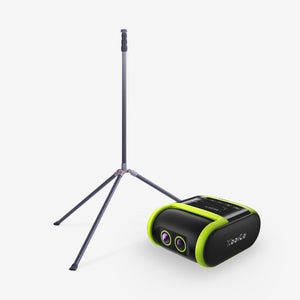
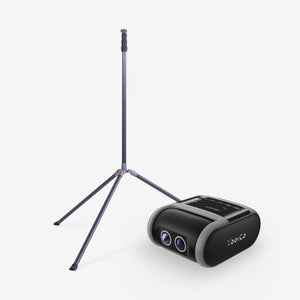
El bloqueo depende de la sincronización y la posición de las manos, aspectos que resultan casi imposibles de corregir por uno mismo sin ayuda de un vídeo. Si tu equipo graba los entrenamientos o los partidos con un sistema como el XbotGo Falcon—una cámara 4K autónoma con IA que sigue automáticamente la jugada—, podrás revisar tu técnica de penetración y tu lectura del bloqueo entre sesiones sin necesidad de un operador de cámara específico. Quizá merezca la pena echarle un vistazo si tu equipo se toma en serio la importancia de realizar los ejercicios correctamente.

Sistemas ofensivos
5-1— Un colocador juega las seis rotaciones. En la línea de fondo, el colocador distribuye el juego; en la línea de ataque, también lo hace. Esto significa que hay cinco atacantes disponibles cuando el colocador está en la línea de fondo, pero solo cuatro cuando está en la línea de ataque. Es el sistema más habitual en el voleibol de alto nivel.
6-2— Dos jugadores actúan como colocadores. Cada uno de ellos coloca cuando está en la línea de fondo y ataca desde la línea de ataque. Esto permite tener tres atacantes en la línea de ataque en todo momento, pero requiere dos colocadores de élite.
4-2— Los dos colocadores juegan siempre uno frente al otro en la rotación, y cada uno realiza el pase cuando se encuentra en la línea de ataque. Es más fácil de llevar a cabo y es habitual en las ligas juveniles y de principiantes.
Ataque desde la línea de fondo: cuando un jugador de la línea de fondo salta desde detrás de la línea de ataque y golpea el balón. El jugador debe saltar desde detrás de la línea de tres metros; puede aterrizar delante de ella.

Puntuación y términos del juego
Intercambio: un punto que se juega desde el saque hasta que la pelota toca el suelo (o se produce una falta). En el sistema de puntuación por intercambio, un equipo gana un punto en cada intercambio, independientemente de quién haya sacado.
Puntuación en el voleibol— El sistema de puntuación vigente en todo el mundo. Cada punto de volea suma un punto. Se adoptó a nivel internacional en 1999, tras décadas de «puntuación por salida de campo», en la que solo el equipo que sacaba podía sumar puntos.
Saque— Cuando el equipo receptor gana el punto y obtiene el derecho a sacar a continuación.
Rotación: tras ganar un saque, los seis jugadores se desplazan una posición en el sentido de las agujas del reloj. De este modo, se garantiza que todos los jugadores saquen y jueguen en todas las zonas a lo largo de un set.
Porcentaje de acierto: la medida estándar de la eficacia del atacante: (puntos ganados − errores) ÷ intentos totales. Un porcentaje de acierto de 0,300 se considera excelente en la mayoría de los niveles.
Jerga del voleibol
Cada gimnasio tiene su propio vocabulario. Estos son los términos que realmente oirás.
Pancake: una defensa de último recurso en la que deslizas la mano extendida por el suelo y dejas que el balón rebote en el dorso. Parece un gesto desesperado. A menudo funciona.
«Campfire»: cuando un balón cae al suelo sin que nadie lo toque, entre dos jugadores que, cada uno, daba por hecho que el otro lo cogería. Nadie se hizo cargo.
«Six-Pack»: cuando un bloqueo lanza el balón directamente a la cara del atacante. Doloroso para uno, memorable para todos los demás.
En perfecta sincronía— Cuando dos bloqueadores están perfectamente sincronizados: el salto, la sincronización y la colocación de las manos. «Esos dos están en perfecta sincronía en la red».
Defensa Jedi: una zancadilla con un solo brazo y totalmente extendido que salva un balón que nadie debería haber alcanzado. El «Hail Mary» de las jugadas defensivas.
Roof— Sinónimo de bloqueo limpio. «Le han hecho un roof» significa que el remate del atacante ha sido desviado directamente hacia abajo.
Dime: un pase perfecto que llega exactamente al punto al que apunta el colocador. También se conoce como «dar en el clavo».
Muro— Expresión que se utiliza para referirse a un obstáculo insuperable. «Hoy no vas a poder atravesar ese muro».
Cierre
El voleibol tiene su propio lenguaje, y aprenderlo forma parte de aprender a jugar. No hace falta que te aprendas todos los términos de golpe: empieza por los que usa tu equipo en los entrenamientos, y el resto lo irás incorporando de forma natural. Cuanto más juegues, más se convertirá ese vocabulario en tu forma de pensar en la cancha. Empieza por las posiciones, aprende la secuencia de tres toques y, a partir de ahí, todo lo demás encajará.

XbotGo Chameleon - Cámara deportiva con IA
Captura cada momento con el seguimiento basado en inteligencia artificial. Perfecto para entrenadores, padres y deportistas que desean obtener imágenes perfectas sin necesidad de grabar manualmente.