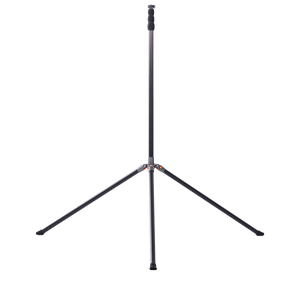


XbotGo Falcon

True 4K vs 4K UHD: What's the Real Difference?
The term "4K" appears everywhere—from TVs to cameras to streaming services—but what exactly is "true 4K," and why does it matter? Despite widespread marketing claims, there's significant confusion about 4K standards, leading many consumers to purchase products without understanding what they're actually getting.
Technical Definitions: The Numbers Behind 4K
True 4K refers to the Digital Cinema Initiatives (DCI) standard of 4,096 x 2,160 pixels, totaling approximately 8.8 million pixels. This is the professional cinema standard used in movie theaters and high-end projectors.
4K UHD (Ultra High Definition), the consumer standard, measures 3,840 x 2,160 pixels with 8.3 million total pixels. This maintains the familiar 16:9 aspect ratio for TVs, monitors, and streaming services.

Native 4K vs. Pixel-Shifting: Understanding the Technology
The "fake 4K" debate centers on how displays achieve those 8.3+ million pixels. Native 4K uses display chips containing exactly 8.3 million physical pixels, while pixel-shifting technology uses smaller chips that rapidly move to create the full resolution.
However, industry professionals emphasize that there's "ZERO correlation between native resolution and the actual resolution of the picture you see on the screen." Pixel-shifting DLP projectors operate at 9,000Hz, using human persistence of vision to create the illusion of simultaneous pixels—similar to how CRT monitors draw one pixel at a time but appear to show complete images.
Content Reality: Recording vs. Display Quality
Native 4K Content Sources:
- Films shot on 35mm film (which actually contains more detail than 4K digital)
- Movies recorded with true 4K digital cameras
- High-end streaming content from Netflix, Amazon Prime, and Disney+
- UHD Blu-ray discs
Upscaled Content:
- Most broadcast television
- Older movies mastered from 2K digital intermediates
- Standard streaming content enhanced through AI algorithms
Interestingly, many "classic" movies from the 1970s-80s can provide true 4K detail because they were shot on film, while many modern movies shot digitally in 2K cannot achieve native 4K quality regardless of post-processing.
The Viewing Distance Reality Check
Some people confirm that viewing distance and screen size determine whether 4K provides visible benefits. Mathematical analysis shows:
- Optimal 4K benefit: Requires sitting closer than 1.5x screen height
- 65-inch TV: Must sit within 4 feet to appreciate 4K detail
- 40-inch TV: Need to sit 2-3 feet away for noticeable difference
- Minimum effective size: 55-65 inches for standard living room distances
As one expert with a PhD in mathematics explained: "For my 65″ TV, I have to sit about 4 feet from it to be able to appreciate the difference. I don't like to sit that close."

4K Recording: The Creator's Perspective
While most discussions focus on 4K displays, recording in 4K offers distinct advantages for content creators. True 4K recording captures significantly more detail, enabling better post-production flexibility, superior slow-motion analysis, and future-proof archival quality.

Modern sports recording has particularly benefited from 4K technology. The XbotGo Falcon represents this evolution, offering native 4K recording at 30fps with zero cropping, specifically designed for sports applications. Its built-in Sony sensor and advanced AI tracking ensure that fast-moving sports action is captured with professional-grade clarity, addressing the challenge of maintaining focus during dynamic gameplay that traditional cameras struggle with.

Beyond Resolution: HDR and Color Quality
Research consistently shows that HDR (High Dynamic Range) provides more noticeable improvement than resolution increases alone. HDR expands contrast range and color accuracy, often delivering greater "wow factor" than the jump from 1080p to 4K.
Premium 4K displays feature:
- True RGB subpixel structure (avoiding white subpixel dilution)
- Wide color gamut (covering 100%+ of standard color spaces)
- 10-bit color depth for smoother gradients
- High peak brightness for HDR effectiveness
Practical 4K Decision Making
When True 4K Matters Most:
- Large screen installations (65+ inches)
- Close viewing applications (gaming, desktop monitors)
- Professional content creation and analysis
- Future-proofing for evolving content standards
When 4K UHD is Sufficient:
- Standard home theater setups with typical viewing distances
- General streaming and entertainment consumption
- Budget-conscious purchases where display quality is adequate
When 4K May Be Overkill:
- Small screens under 40 inches
- Standard TV viewing from 8+ feet away
- Primarily standard definition content consumption
Future-Proofing Considerations
While 8K displays exist, experts agree they're premature for consumer use. Even 4K content remains limited, and the visual benefits of 8K are imperceptible for typical viewing scenarios. Current 4K technology provides adequate future-proofing for the next 5-10 years.
Conclusion: Focus on What Matters
"True 4K" encompasses both technical specifications and practical implementation. While purists argue for native resolution superiority, real-world experience shows that viewing conditions, content quality, and additional features like HDR often provide greater impact than pixel count alone.
For consumers, the key is matching 4K technology to actual usage scenarios. Large screens and close viewing benefit from higher resolution, while standard TV viewing may see minimal improvement. Content creators and sports applications, however, gain significant advantages from 4K recording capabilities, particularly for analysis and archival purposes.
Rather than obsessing over "true" versus "fake" 4K distinctions, focus on display quality, viewing setup optimization, and content source selection to maximize your investment in 4K technology.