

XbotGo Falcon

When Is the World Cup 2026? Everything You Need to Know
The 2026 FIFA World Cup runs from June 11 to July 19, 2026. That’s 39 days, 104 matches, 48 teams, and 16 cities spread across three countries — right here in North America. It’s the biggest expansion in World Cup history, and it’s less than six weeks away.
If you’re planning to watch, travel, or just need to know when to block off your summer calendar, here’s everything you need.

The Key Dates at a Glance
The tournament opens in Mexico City on June 11 and wraps up with the Final in New Jersey on July 19.
|
Round |
Dates |
|
Group Stage |
June 11 – June 27 |
|
Round of 32 |
June 28 – July 3 |
|
Round of 16 |
July 4 – July 7 |
|
Quarterfinals |
July 9 – July 11 |
|
Semifinals |
July 14 – July 15 |
|
Third-Place Playoff |
July 18 |
|
The Final |
July 19, 2026 |
The opening match is Mexico vs. South Africa at Estadio Azteca in Mexico City on June 11 at 3pm ET. The Final is at MetLife Stadium in East Rutherford, New Jersey, also at 3pm ET on July 19.
One thing that’s never happened at a World Cup before: the July 19 Final will feature a halftime show, modeled on the NFL’s Super Bowl. That alone makes it one of the most anticipated nights in soccer history.

Where Is the 2026 World Cup Being Held?
This is the first World Cup ever co-hosted by three nations simultaneously: the United States, Canada, and Mexico.
USA (11 cities): Los Angeles, Dallas, Atlanta, Houston, New York/New Jersey, Seattle, Miami, Kansas City, Boston, Philadelphia, and the San Francisco Bay Area. The US hosts every match from the quarterfinals onward — all the big games.
Mexico (3 cities): Mexico City, Guadalajara, and Monterrey.
Canada (2 cities): Toronto and Vancouver. This is the first men’s World Cup ever played on Canadian soil.
Estadio Azteca carries a piece of history into the opening match — it becomes the first stadium ever to host three World Cup opening matches (1970, 1986, and now 2026). MetLife Stadium in New Jersey is the Final venue, temporarily rebranded as “New York New Jersey Stadium” for the tournament. Under FIFA’s corporate naming rules, no venue can carry a sponsor’s name during the tournament, so stadiums like SoFi Stadium become “Los Angeles Stadium” and AT&T Stadium becomes “Dallas Stadium.”
The last time North America hosted the World Cup was in the US back in 1994, when Brazil beat Italy on penalties. That was 32 years ago. This edition brings it back — and dramatically bigger.

What’s New in 2026: 48 Teams, a New Round, and New Rules
For the first time ever, 48 teams compete at the World Cup. Qatar 2022 had 32. That 50% expansion pushes total matches from 64 to 104 across 39 days.
The format: - 12 groups of 4 teams (previously 8 groups of 4) - The top 2 from each group, plus the 8 best third-place teams, advance - Those 32 teams enter a brand-new Round of 32 — a knockout stage that’s never existed at a World Cup before - From there: Round of 16, Quarterfinals, Semifinals, Final
Teams that win the whole thing will have played 8 matches total, one more than in previous World Cups.
A few rule changes are worth knowing. Referees can now issue a 5-second countdown to speed up throw-ins and goal kicks — less time-wasting, more soccer. Yellow card counts also reset after the group stage, so you won’t see stars sitting out a Round of 16 game because of a card they picked up against a weak opponent in week one.

The official match ball is the Trionda — Adidas-designed, with a name meaning “three waves” in Spanish, a nod to the three host nations. It’s red, green, and blue, and features AI-connected ball technology that feeds real-time positioning data to VAR officials. First unveiled in October 2025, it’s the first World Cup ball with that level of tech built in.
The tournament also introduces three official mascots for the first time: Maple the Moose (Canada), Zayu the Jaguar (Mexico), and Clutch the Bald Eagle (USA). Whether you find them charming or goofy, they’ll be everywhere from July onward.
On prize money: the winning nation takes home $50 million — up from $42 million in Qatar 2022. More importantly, every one of the 48 teams is guaranteed at least $9 million just for qualifying. The total prize fund across all teams is $727 million. According to FIFA’s official format overview, the expansion was designed to make the tournament more globally inclusive while keeping the standard four-team group structure that fans know.
Groups and Teams to Watch
The draw was held at the Kennedy Center in Washington D.C. in December 2025. All 12 groups are set. A few worth circling on your calendar:
Group D — The USA at Home: The USMNT draws Paraguay, Australia, and Turkey. Analysts consider this the most favorable draw the US could have hoped for. This team plays its first match on June 12 at SoFi Stadium in Los Angeles. If they don’t top this group, there will be serious questions asked.
Group C — Brazil and Morocco: Two of the most exciting teams from Qatar 2022 are in the same group, along with Scotland and Haiti. Brazil enters as a genuine title contender. Group C will be unmissable from the very first whistle.
Group I — The Group of Death: France, Norway, Senegal, and Iraq. Norway went undefeated through qualifying. France vs. Senegal carries weight — Senegal famously stunned France in the 2002 World Cup opener. One of these teams will be going home before the Round of 32. Guaranteed drama.
Group J — The Defending Champion: Argentina enters alongside Algeria, Austria, and Jordan. Messi’s side are chasing something rare: only two teams in World Cup history have ever retained the trophy. Argentina could become the third.
You can find the full groups and fixtures at FIFA.com.

How to Watch the 2026 World Cup
All 104 matches are available in the US on Peacock (en Español). Telemundo carries 92 games, and Universo broadcasts 12.
The timing helps. Qatar 2022 kicked off in December, meaning early-morning alarms for most of the US. This summer, most matches fall in the afternoon and evening — far friendlier for viewership. The 2022 Final drew 1.42 billion viewers worldwide — the most-watched single sporting event ever recorded. FIFA is projecting closer to 6 billion people will engage with the 2026 tournament in some form, according to Sky Sports’ 2026 World Cup coverage.
World Cup Season on Your Field
The World Cup does something to soccer players at every level. Kids who watch the Argentina-France group stage show up to practice trying step-overs they’ve never attempted. Youth coaches find their players suddenly motivated in ways that don’t happen in November.
If you’re running a soccer program this summer, it’s worth capturing that energy on film. Coaches who record their sessions during World Cup season end up with some of their best footage — players are performing at a higher level, and having video to review later compounds the development benefit.
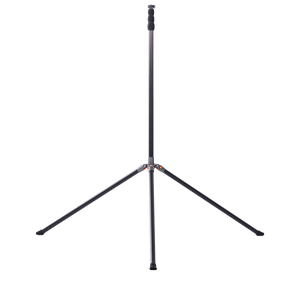
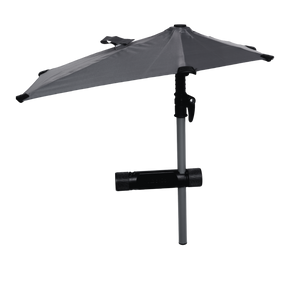
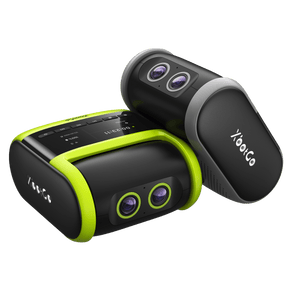
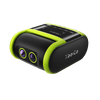
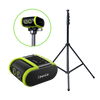
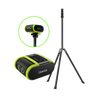
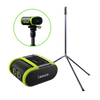
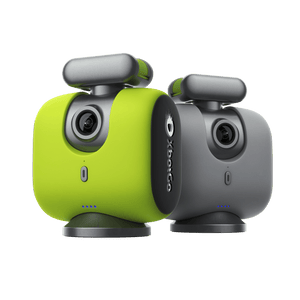
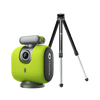
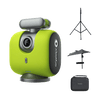
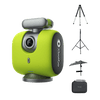
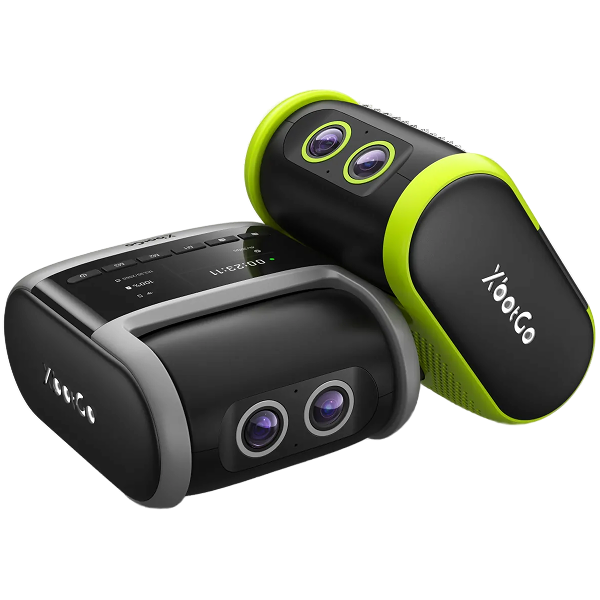
The XbotGo Falcon is one option worth considering for that. It’s a standalone 4K AI camera that tracks players and the ball automatically from a tripod — no operator needed — and covers the full width of a soccer field. A lot of clubs use it to build a season-long film library without needing a dedicated camera person at every match or practice.
The Bottom Line
The 2026 FIFA World Cup runs June 11 to July 19, with 48 teams, 104 matches, and a Final at MetLife Stadium in New Jersey that includes a first-ever halftime show. It opens at Estadio Azteca and winds through 16 cities across the US, Canada, and Mexico. Watch on Peacock, Telemundo, or Universo. Clear your July 19 evening. And if you’re coaching a team this summer, film the season — your players are going to be playing inspired soccer.