

XbotGo Falcon

Left Wing Hockey Guide: Master Position Tactics & Skills
You've been assigned left wing and you're wondering what exactly that means beyond "stay on the left side." Smart thinking. The left wing position is deceptively complex—it's where hockey legends are made, but also where countless beginners feel lost and ineffective.
Here's the truth from NHL professional Dakota Joshua: your job is to "get open on offense, disrupt on defense." These six words capture the essence of effective wing play, but executing them consistently requires mastering defensive discipline, offensive creativity, and split-second decision-making. Whether you're stepping onto beer league ice for the first time or looking to elevate your game, this guide consolidates insights from professional players, experienced coaches, and the hockey community to help you excel at this dynamic position.

Defensive Zone Mastery: Your Foundation for Success
The Golden Rule: Hash Marks to Blue Line
In your defensive zone, live between the hash marks and the blue line on the left side. This positioning serves multiple critical purposes that protect your team and create transition opportunities.
Your primary responsibility? Cover the opposing team's right defenseman playing the point. Don't let them get easy shots on your goalie. Don't let them make clean passes to teammates down low. Be in their way. Make their life difficult.
The hockey community puts it bluntly: "No winger was ever yelled at for sticking on his point man." This wisdom, shared across community discussions and coaching guides, reflects a fundamental truth about position discipline.

Why Staying High Actually Wins Games
When action happens down low in the corner, hanging out at the blue line feels useless. You're watching teammates battle while you're "just standing there." But here's what happens when you abandon position to "help":
The opposing team chips the puck up the boards. Their defenseman receives it cleanly. He shoots on your goalie. You're out of position and scrambling to recover.
Or worse: Your team wins the corner battle and looks for an outlet pass. You're not there. The pass goes to nobody, the other team recovers possession, and everyone wonders why the breakout failed.
As one defenseman explains: "I need a way to get the puck out of the zone once I get it... That way is you, the winger, if you're in the right spot. If you aren't there and now I have to stand in front of a shot, I'm pretty irritated."
The rule of thumb from experienced players? Only go lower if you can absolutely make it back to your position. For most recreational players, that means: not very far.
Mastering Breakout Execution
When your team gains possession, your positioning makes or breaks the transition. Set yourself along the left wall, slightly off the boards—this prevents opposing defensemen from easily pinning you while giving you space to make plays.
Position yourself where you can receive passes on your forehand when possible. If you're a left-shot player on left wing, this natural positioning makes breakouts smoother. If you're playing off-wing, you'll need to adapt your positioning slightly to accommodate backhand receptions.
Your breakout options include: clean pass to your center breaking up ice, banking the puck off boards to your center, carrying it yourself if space allows, or using behind the net as a safe outlet under pressure.
Offensive Zone Excellence: Where Left Wingers Score
Conquering Corner Battles
When the puck enters your corner, you're going in after it. Professional left winger Dakota Joshua shared crucial battle techniques:
Build a stable base. Position your feet to allow spinning out in either direction. Never get pinned flat against boards with no escape route.
Use your body as a shield. Keep your body between the defender and puck. This isn't about size—it's positioning and body placement.
Read the defender's stick. Let their stick position dictate your escape direction. If their stick goes one way, you roll out the other.
Keep your head up. Know where teammates are before you win the puck, not after. This dramatically speeds decision-making.
After gaining possession, your options include: carrying it out for a shot, feeding your center in the slot, passing to your defenseman at the point, or cycling to maintain possession.
Traditional vs Modern Positioning Approaches
Traditional coaching emphasizes staying on the left side throughout the offensive zone—predictable positioning that maintains team structure. This approach builds confidence for new players and ensures reliable support patterns.
But modern hockey has evolved toward the F1/F2/F3 system, where forwards are defined by proximity to the puck rather than nominal positions:
F1 (First to puck): Primary forechecker, pressures puck carrier
F2 (Second to puck): Provides support, creates passing options
F3 (Third to puck): Maintains defensive responsibility, provides late support
As the hockey community notes: "Zone positioning for a wing really only applies in the defensive zone. Once you break out, you really just become 3 forwards."
Which approach should you use? Start traditional for confidence and predictability, then gradually incorporate modern concepts as your hockey sense develops.
Zone Entry Tactics
Your approach to the blue line determines offensive success. As Dakota Joshua emphasizes: "The blue line is the most important"—never turn the puck over there.
If challenged hard: Chip it in and battle for possession. "I'd rather fight for it here than turn it over there."
If given space: Use it strategically. Attack the defenseman, find your center, or use behind the net to set up plays.
Second into zone: Drive to the net for deflections and rebounds
Third into zone: Trail the play to provide support if teammates lose possession

Advanced Tactics and Mental Development
Reading Plays Before They Happen
Professional players don't just react—they anticipate. This skill comes from constantly scanning the ice and processing information before you need it.
Think in terms of "lanes"—both skating lanes for opponents and passing lanes you need to disrupt or utilize. When defending, eliminate the most dangerous options. When you have the puck, know your teammates' positions before the puck reaches your stick.
"Having your head on a swivel helps you make passes and plays a lot faster," explains Dakota Joshua. You've already gathered information, so decision-making becomes instinctual rather than reactive.
Off-Wing vs Natural Wing Strategy
This ongoing debate offers distinct advantages depending on your approach:
Natural side advantages (left-shot on left wing): Easier breakouts with forehand passes, better board battles, simpler defensive positioning.
Off-wing advantages (right-shot on left wing): Superior shooting angles, easier one-timers from cross-ice passes, better opportunities to cut middle for scoring chances.
Many successful NHL left wingers actually shoot right-handed, leveraging offensive benefits. Your choice depends on skill level, team strategy, and personal comfort, but understanding both approaches provides tactical flexibility.
Developing Position-Specific Skills
Progressive skill building starts with defensive positioning mastery—this foundation supports everything else. Practice receiving wall passes under pressure and develop quick decision-making through repetitive scenarios.
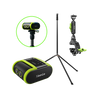
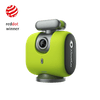
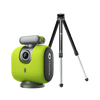
Modern technology offers unprecedented development opportunities. AI-powered camera systems can provide automated game footage for reviewing positioning decisions, tracking movement patterns, and identifying improvement areas that aren't obvious during live play. This video analysis helps bridge the gap between understanding concepts intellectually and applying them consistently.
Community insights emphasize confidence building for newer players. Start with predictable positioning—staying around the slot and left side in offensive zone—before progressing to dynamic concepts. This approach ensures involvement in plays while building foundational skills.

Quick Tips for Special Situations
Power Play: Position in left circle for one-timers when puck is opposite side. More space allows for creative plays, but maintain basic positioning principles.
Penalty Kill: Play box formation with increased focus on disrupting passing lanes and blocking shots. During defensive zone faceoffs, position on center-ice side, never boards side.
Faceoff Strategy: Communicate with your center about the planned draw. Be ready to either receive a pass, tie up your opponent, or pressure their defenseman immediately.
Your Development Path
Master your defensive positioning first—be the winger defensemen trust because you're always in the right spot. Build confidence through consistent fundamentals before experimenting with advanced tactics.
The left side is your domain. Own it with intelligence and discipline, and watch your impact on team success grow. Get out there and make it happen.