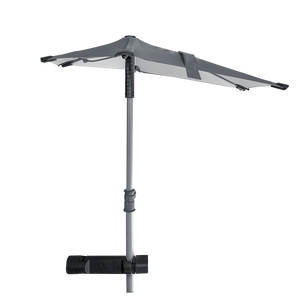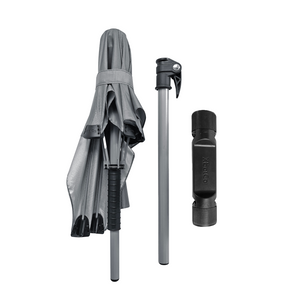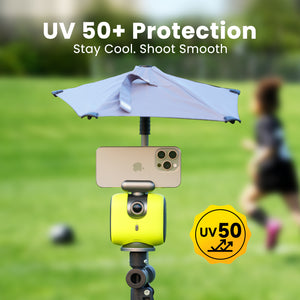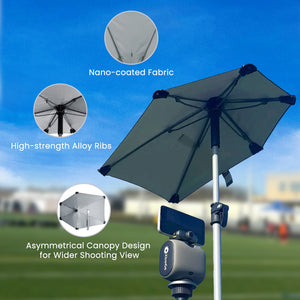


 Chameleon


XbotGo Falcon

Ejercicios de Voleibol para Principiantes: 10 ejercicios para mejorar tus habilidades de verdad.
La mayoría de los entrenamientos para principiantes cometen el mismo error: se limitan a la repetición mecánica sin ningún tipo de contexto. Un jugador puede dar cincuenta toques contra la pared, pero si nunca aprende a leer la trayectoria de un saque, es normal que luego se sienta perdido en un partido real.
La solución es clara: hay que empezar trabajando la técnica de forma aislada, introducir a un compañero y, lo antes posible, pasar a situaciones reales de juego. Esa progresión —del trabajo individual a la pareja, y de ahí a la pista— es la única forma en que un principiante progresa de verdad. Los 10 ejercicios que verás a continuación siguen este método, cubriendo todos los fundamentos esenciales, desde el pase hasta el bloqueo.
Toques de antebrazo contra pared

Solo te hace falta un balón y una pared. No necesitas más.
Ponte a unos dos metros de distancia. Lanza la pelota contra el muro, más o menos a la altura de la red, y recibe el rebote de antebrazos. La clave está en mantener la plataforma firme y centrada: los brazos bien juntos, el contacto puro en los antebrazos y nada de bracear con brusquedad o "lanzar hachazos" al aire. Empieza con series de 10 y ve subiendo el nivel.
No existe un ejercicio individual más efectivo que este para un principiante. El día que logres encadenar 20 toques seguidos sin tener que mover los pies del sitio, sabrás que ya estás listo para buscarte un compañero.
Triángulo: Lanzamiento, Pase y Objetivo
Tres jugadores, tres roles. El primero lanza el balón de forma controlada hacia el receptor; este realiza un toque de antebrazos dirigido hacia el "objetivo", que estará colocado cerca de la red. Rotad las posiciones cada 10 repeticiones.
La ventaja de este ejercicio es que enseña a los principiantes a direccionar el pase en lugar de simplemente soltar el balón hacia arriba. El ángulo que se forma entre el lanzador y el objetivo obliga al jugador a orientar correctamente su plataforma, una técnica que se traslada directamente a la recepción del saque. Al principio, lanzad balones fáciles; la velocidad y la dificultad ya vendrán después.
Autopase de dedos (Setting)
Arrodíllate y pon ambas manos sobre el balón. Presiona hacia abajo con las muñecas relajadas y los codos abiertos. Fíjate bien en la forma que tienen tus manos: ahora, mantenla y elévalas por encima de tu cabeza. Esa es tu posición ideal de toque de dedos.
Ponte de pie y lánzate el balón a ti mismo. Antes de realizar el pase, atrapa la pelota justo a la altura de la frente; haz esto cada vez para que tu memoria muscular registre la posición correcta. Tras diez repeticiones de "atrapar y lanzar", empieza a hacerlo de forma fluida, sin parones. Mantén el pie derecho ligeramente adelantado, impulsa el balón con todo el cuerpo y termina con los brazos bien extendidos, como si fueran un cohete en pleno despegue. Un último consejo: todos los jugadores deben dominar el pase de dedos, no solo los colocadores. Un último consejo: todos los jugadores deben dominar el pase de dedos, no solo los colocadores.
Progresión del saque por encima de la cabeza
No hagas el servicio por debajo. Empieza con el servicio por encima desde la línea de 3 metros y ve retrocediendo.
Las tres cosas que importan: lanzamiento, paso, contacto. Lanza la pelota con la mano contraria a la de golpear hasta la altura de las yemas de los dedos —ni por encima de la cabeza, ni hacia atrás—. Da un paso con el pie contrario. Golpea la pelota con la mano abierta, terminando con los dedos apuntando hacia arriba.
Pide a un compañero que compruebe tu lanzamiento. Si el balón se desvía hacia atrás de tu cabeza, tus saques saldrán largos. Los recursos de entrenamiento de USA Volleyball recomiendan dedicar hasta la mitad del tiempo de entrenamiento de los principiantes exclusivamente al saque. Es la única habilidad que controlas por completo por ti mismo.
El Ejercicio de "Pepeo" (Pepper Drill)
Dos jugadores se colocan frente a frente a unos 3 metros de distancia. Uno lanza un ataque controlado hacia abajo; el otro recepciona, se hace un auto-voleo y devuelve el balón con un remate. La idea es mantener el ciclo constante.
Lo que debes saber:
Entrenamiento completo: El "pepeo" trabaja los tres contactos fundamentales —recepción, colocación y remate— en un bucle infinito. Es un clásico del voleibol que no pasa de moda porque, sencillamente, funciona.
Control vs. Potencia: Aquí la fuerza es lo de menos. Lo importante es la limpieza del toque y el ritmo de juego.
De menos a más: Si te cuesta coordinar los tres movimientos de golpe, prueba haciendo solo recibo-voleo-recibo hasta que mecanices el patrón y te sientas cómodo.
Progresión del remate: de la red hacia atrás

La mejor forma de aprender a rematar es "empezar por el final". Quédate junto a la red y ve alejándote conforme domines cada fase.
Paso 1:Colócate frente a la red con los pies en paralelo. Pide a alguien que te lance el balón, lleva los brazos atrás para impulsarte, salta y atrápalo en el aire. El objetivo es aislar y clavar el timing del salto.
Paso 2:Da un paso largo hacia atrás y apóyate sobre el pie izquierdo. Cuando el balón lanzado esté en el punto más alto, haz el apoyo "derecha-izquierda", salta y atrapa. Con esto mecanizas los dos últimos pasos de la batida.
Paso 3:Repite lo anterior, pero esta vez golpea el balón en lugar de atraparlo. Concéntrate en el armado del brazo: codo a la altura de la oreja, busca la máxima altura y termina con un latigazo de muñeca hacia abajo.
Paso 4:Ahora añade la carrera completa de tres pasos: izquierda, derecha-izquierda, salto y ataque.
Defensa en "cámara lenta" (Slow-Motion Dig)
Un jugador se coloca a poco más de un metro de distancia y lanza el balón con firmeza hacia la izquierda o derecha del compañero. El defensor debe desplazarse lateralmente, bajar el centro de gravedad y defender el balón hacia arriba.
Aquí la prioridad no es la velocidad de reacción, sino el juego de pies y la postura corporal. Primero te mueves, luego formas la plataforma de antebrazos. El error típico del principiante es estirar los brazos en lugar de mover los pies; este ejercicio sirve precisamente para romper ese mal hábito. Cuando veas que los desplazamientos son fluidos, ve aumentando la velocidad del lanzamiento poco a poco.
Bloqueo en sombra (Shadow Block Footwork)
No necesitas balón. Colócate frente a la red en posición de alerta. Haz un desplazamiento lateral (shuffle) de dos pasos hacia la derecha, salta con las manos firmes por encima de la red, aterriza y repite lo mismo hacia la izquierda. Mantén el ritmo durante 30 segundos.
El bloqueo es, probablemente, uno de los fundamentos que más se descuidan al empezar. Este ejercicio de "sombra" ayuda a mecanizar el movimiento lateral y el timing que exige un buen bloqueo. Un consejo clave: mantén las manos arriba durante todo el desplazamiento. Si las bajas entre salto y salto, perderás esas décimas de segundo que en un partido real marcan la diferencia entre bloquear o que te hagan el punto.
Minijuegos: 2 contra 2 (2v2)

Se dividen en parejas y juegan en media cancha. Se permiten tres toques por bando y se utiliza el sistema de puntos por jugada (rally scoring) hasta llegar a 15.
Aquí es donde todo cobra sentido. En un 2 contra 2, cada jugador toca el balón en casi todas las jugadas. Si lo comparas con un 6 contra 6, un principiante apenas tocaría la pelota tres o cuatro veces en diez minutos.
Los juegos en espacios reducidos te obligan a tomar decisiones constantes que los ejercicios aislados no pueden replicar: ¿quién recibe el primer balón?, ¿a dónde enviar la colocación?, ¿cuándo hacer una finta en lugar de rematar?
Un consejo táctico:
Para mantener la fluidez, inicien cada jugada con un lanzamiento del entrenador en lugar de un saque. En niveles principiantes, los saques suelen fallar mucho y cortan el ritmo de la jugada antes de que esta empiece.
El reto de los niveles de saque
Convierte el entrenamiento de saque en un desafío competitivo. Establece tres niveles de dificultad:
- Nivel 1:Mete tres saques en cualquier parte del campo contrario.
- Nivel 2:Mete tres saques dirigidos a la mitad derecha.
- Nivel 3:Mete tres saques dirigidos a la mitad izquierda.
Lo ideal es que cada jugador avance a su propio ritmo y saque desde la distancia donde se sienta cómodo. Llevar un registro del progreso es clave: si alguien no pasaba del Nivel 1 en la segunda semana y para la sexta ya completa el Nivel 3, tendrá una prueba real y motivadora de su mejora.
Según un informe reciente de la AVCA, el voleibol es uno de los deportes que más rápido está creciendo a nivel escolar. Muchos de esos nuevos talentos están empezando ahora mismo en sesiones para principiantes con ejercicios exactamente como estos.

Grábate entrenando
Hay algo que se repite en todos los foros de entrenadores y comunidades de jugadores: los principiantes que se graban en vídeo progresan mucho más rápido. La diferencia entre lo que tu cuerpo está haciendo y lo que tú crees que está haciendo es abismal. Un vídeo de apenas 30 segundos de tu técnica de saque o de la posición de tus antebrazos revela errores que pasarías por alto tras horas de entrenamiento sin supervisión.
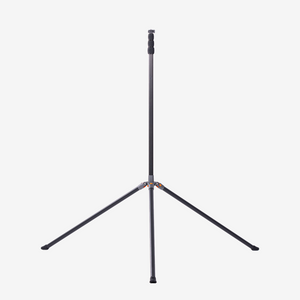
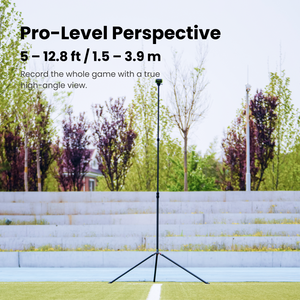
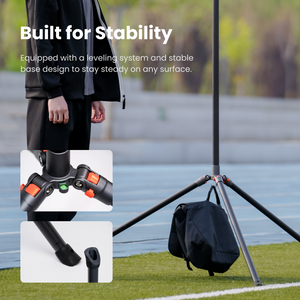
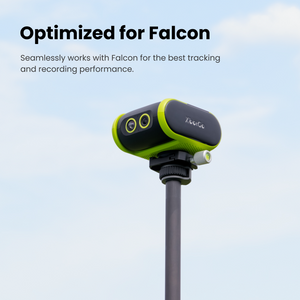
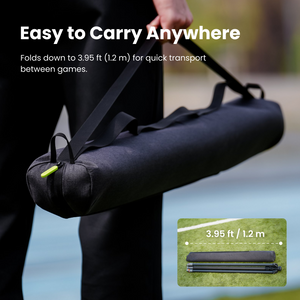
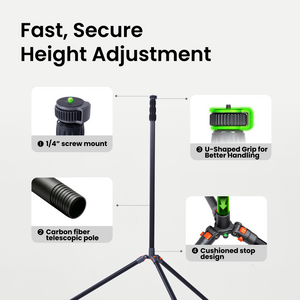
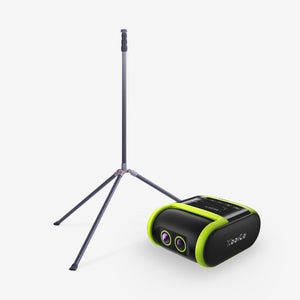
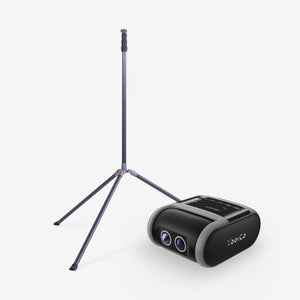
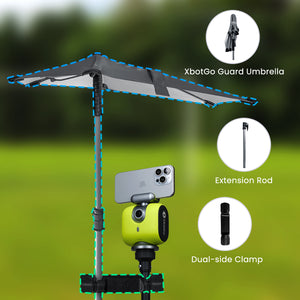
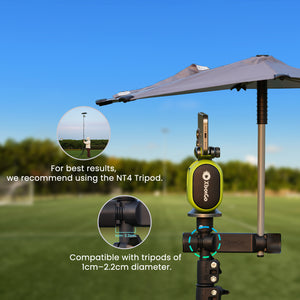
Si tu equipo busca una forma cómoda de grabar entrenamientos y partidos, la XbotGo Falcon es una cámara 4K con IA que sigue automáticamente a los jugadores. Solo tienes que ponerla en el trípode, darle a grabar y olvidarte; la cámara sigue la acción por su cuenta para que el entrenador pueda centrarse en lo que de verdad importa: entrenar.

Empieza por lo básico y construye desde ahí
Todo jugador de élite empezó dominando estos mismos fundamentos. Los mejores ejercicios para principiantes no son los más complejos, sino los que se trabajan con constancia. Céntrate primero en el pase y el saque; después, añade el toque de dedos y el remate. Por último, juega partidos en formato reducido tan a menudo como puedas.
Recuerda: siempre será mejor hacer 30 repeticiones concentrado y con la técnica correcta que 200 de cualquier manera. Elige dos o tres ejercicios de esta lista por entrenamiento, hazlos bien y los resultados llegarán solos.

XbotGo Chameleon - Cámara deportiva con IA
Captura cada momento con el seguimiento basado en inteligencia artificial. Perfecto para entrenadores, padres y deportistas que desean obtener imágenes perfectas sin necesidad de grabar manualmente.