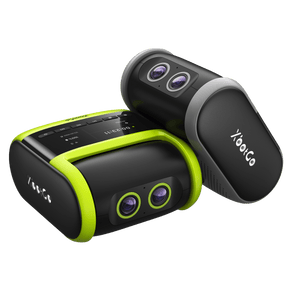


El mercado de las cámaras deportivas con IA avanza a un ritmo acelerado. Lo que empezó como una herramienta exclusiva para clubes profesionales se ha convertido en algo que los equipos juveniles ya utilizan a diario. Y todo apunta a que 2027 será el año en que las cosas vuelvan a cambiar. En una entrevista reciente con Buying Sandlot, el CEO de XbotGo, David Tan presentó un ambicioso plan de desarrollo: nuevas cámaras, dispositivos portátiles (wearables) y un software que va mucho más allá de la simple grabación.
Dónde se encuentran las cámaras deportivas con IA en 2026
La mayoría de las cámaras deportivas con IA actuales hacen muy bien una función clave: seguir la acción y grabar el partido sin necesidad de un operador tras el lente. La configuras, pulsas grabar y te desentiendes. Esa parte funciona a la perfección.
El verdadero problema es el acceso. Muchas opciones del mercado todavía superan los mil dólares de costo inicial, a lo que hay que sumar tarifas de suscripción anuales. Para un club de fútbol sub-12 o el programa de una escuela pequeña, las cuentas sencillamente no salen. Según el Aspen Institute, las familias ya gastan un promedio de $1.016 USD al año por hijo en su deporte principal, lo que representa un aumento del 46% en cinco años. Añadir un equipo de cámara costoso resulta difícil de justificar.

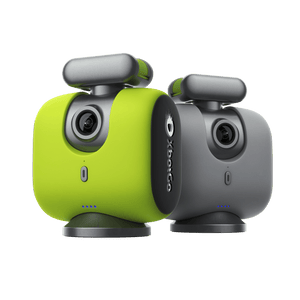
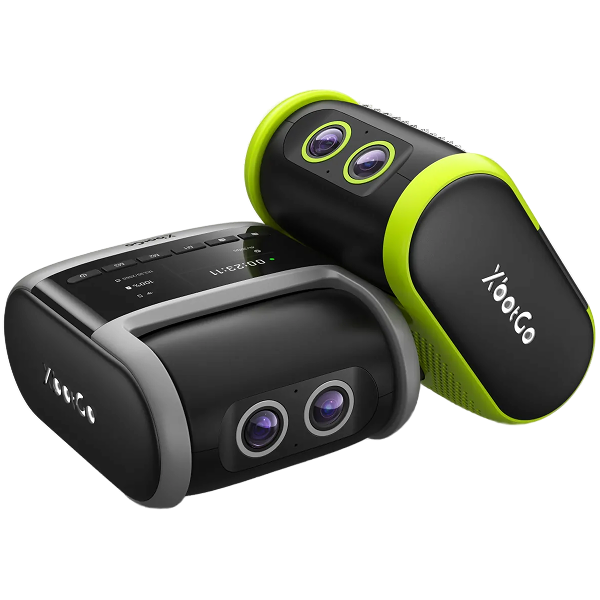
XbotGo planea lanzar más de 3 nuevas cámaras para 2027
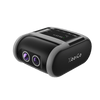
Tan reveló a Buying Sandlot que XbotGo planea lanzar entre tres y cuatro cámaras nuevas en 2027, incluyendo un modelo de alta gama con visión ultra gran angular de campo completo y un zoom de 10x a 15x.
Ese rango de zoom marca una gran diferencia. Una queja recurrente sobre las cámaras con IA actuales es que las jugadas en el lado opuesto del campo se ven pequeñas y difíciles de seguir. Un zoom de 10x a 15x junto con un procesamiento de imagen más nítido resolvería ese problema.
«Simplemente estamos innovando más rápido que nuestros competidores y tratando de hacer más con menos», comentó Tan a Buying Sandlot. «Vamos a mantener nuestras características clave: que sea económico, asequible y accesible. Y la innovación será de primer nivel».
Más allá de las cámaras: Wearables y análisis de rendimiento
El motor del cambio: Un embajador campeón del mundo y una misión más grande
Hace solo unos días, XbotGo nombró a la estrella argentina Julián Alvarez como su primer embajador global de marca. Álvarez creció en Calchín, un pequeño pueblo agrícola de Argentina, antes de llegar a la élite del fútbol mundial, una historia que refleja la propia trayectoria de XbotGo: de una startup de garaje a una marca global.

«Los momentos más significativos del fútbol no pertenecen únicamente a los profesionales en estadios gigantescos», afirmó Tan durante el anuncio. «También pertenecen a los niños que juegan su primer partido, a las familias en la banda, a los clubes comunitarios y a los deportistas cuyas historias casi nunca se ven».
Esta alianza da inicio a la campaña «Dare to Dream» (Atrévete a soñar) con motivo del Mundial 2026, e incluirá desafíos interactivos en redes sociales junto a Álvarez. Esto muestra con claridad hacia dónde se dirige XbotGo: no solo a fabricar cámaras, sino a crear una plataforma que dé visibilidad al deporte base.
Qué significa esto para los equipos de deporte juvenil
Más opciones de cámaras. Dispositivos portátiles que miden el rendimiento. Software que convierte el video en bruto en verdaderas herramientas de entrenamiento. La brecha entre la tecnología de nivel profesional y el deporte juvenil se está cerrando a pasos agigantados.
Si la hoja de ruta de las cámaras deportivas con IA para 2027 se cumple, este podría ser el año en que esta tecnología pase de ser un recurso exclusivo a convertirse en el estándar habitual para los equipos juveniles de todo el mundo.